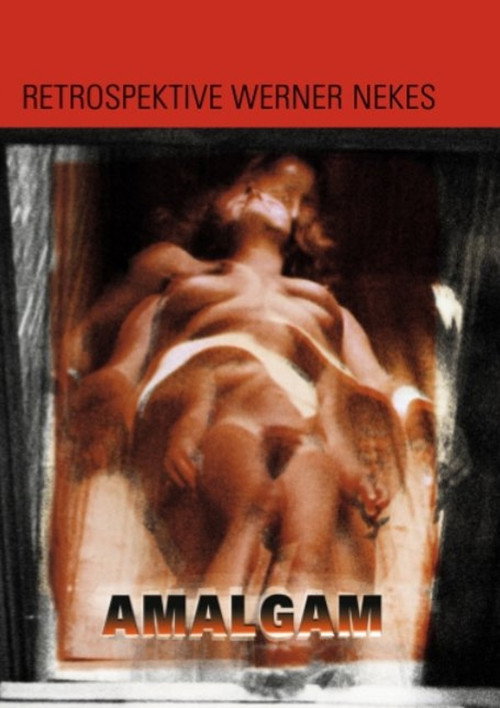
Amalgam I-IV 1976
Amalgam I-IV (1976), directed by the visionary Werner Nekes, is a mesmerizing experimental film divided into four segments—knots, texture, web, and plaited—each showcasing the creative potential of light as a painterly medium on celluloid.
Director: Werner Nekes
Frequently Asked Questions
What is Amalgam I-IV (1976) about?
This avant-garde film by Werner Nekes unfolds as a series of four short experimental pieces—knots, texture, web, and plaited—each using light and motion to explore the boundaries between film and fine art. It's less about storytelling and more about visual rhythm and discovery.
Who directed Amalgam I-IV?
Amalgam I-IV was directed by Werner Nekes, a pioneering German filmmaker known for his experimental approach to cinematography and visual perception.
Who stars in Amalgam I-IV?
Cast details for Amalgam I-IV are not publicly available.
Is Amalgam I-IV (1976) worth watching?
While not a mainstream title, Amalgam I-IV offers a unique viewing experience for fans of experimental cinema. Its exploration of light as a creative force makes it a standout in experimental filmmaking, though it may not appeal to those seeking conventional narratives.
How long is Amalgam I-IV?
Amalgam I-IV has a runtime of 72 minutes.
About Amalgam I-IV (1976) — Werner Nekes' Experimental Masterpiece of Light and Motion
Amalgam I-IV (1976), directed by the visionary Werner Nekes, is a mesmerizing experimental film divided into four segments—knots, texture, web, and plaited—each showcasing the creative potential of light as a painterly medium on celluloid.
This abstract visual symphony transforms cinematography into a canvas, where every frame becomes a brushstroke exploring motion, form, and optical illusion. Nekes crafts a hypnotic journey that challenges traditional narrative, inviting viewers to experience film as an evolving art form rather than a story to follow. The result is a hypnotic, meditative experience that lingers long after the final image fades to black.