Zu spät 1912
One of Germany's earliest surviving melodramas, *Zu spät* (1912) directed by Carl Froelich weaves a tragic tale of love, duty, and irreversible choices.
Director: Carl Froelich
Cast
Frequently Asked Questions
What is Zu spät (1912) about?
*Zu spät* tells the heartbreaking story of a young woman who fires at an army patrol and is sentenced to death, only to discover her fiancé leads the unit. The film examines the devastating consequences of a moment of defiance and the impossible choices between love and duty.
Who directed Zu spät?
The film was directed by Carl Froelich, a pioneer of early German cinema known for his contributions to silent-era storytelling and later producing works in the sound era.
Who stars in Zu spät?
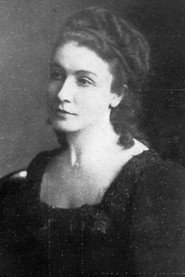
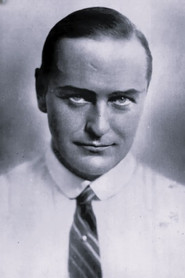
The cast features Martha Angerstein in the leading role and Harry Liedtke as her conflicted fiancé, both iconic figures in early 20th-century German film.
Is Zu spät (1912) worth watching?
As a preserved early German silent drama, *Zu spät* offers historical value and emotional depth despite its short runtime. Its themes and narrative intensity make it intriguing for silent film fans, though modern viewers may find its pacing slow. With no IMDb rating, its appeal lies in its heritage and storytelling.
How long is Zu spät?
The runtime of *Zu spät* is 43 minutes.
About Zu spät (1912) — The Silent Drama Where Love Fails Against Duty
One of Germany's earliest surviving melodramas, *Zu spät* (1912) directed by Carl Froelich weaves a tragic tale of love, duty, and irreversible choices. Set against a tense backdrop of wartime tensions, the film follows a young woman who faces execution after firing upon an army patrol. Unbeknownst to her, the patrol's leader is none other than her fiancé—a heartrending revelation that leaves him powerless to intervene. The story unfolds with emotional intensity, exploring themes of sacrifice, fate, and the brutal clash between personal affection and societal obligation.
Filmed in the early days of cinema's silent era, *Zu spät* captures the stark black-and-white contrasts of its time, using minimal intertitles to convey its poignant narrative. The film's restrained yet powerful atmosphere lingers, leaving audiences to reflect on the irreversible weight of split-second decisions. With its dramatic tension and historical significance as a preserved relic of early German cinema, this short film remains a compelling watch for silent film enthusiasts and those drawn to cinematic storytelling at its most raw and unfiltered.