Leuchtende Schatten 1945
Leuchtende Schatten (1945) stands as a distinctive entry in German cinema from the final year of World War II. Directed by the accomplished Géza von Cziffra, this comedy offers audiences a glimpse into the entertainment landscape of 1940s Germany.
Director: Géza von Cziffra
Cast



Frequently Asked Questions
What is Leuchtende Schatten (1945) about?
Leuchtende Schatten is a 1945 German comedy film that provides entertainment through humorous storytelling. Set during World War II, the movie offers a glimpse into the cultural landscape of wartime Germany through its comedic narrative and characters.
Who directed Leuchtende Schatten?
Leuchtende Schatten was directed by Géza von Cziffra, a filmmaker known for his work in German cinema during the 1940s.
Who stars in Leuchtende Schatten?
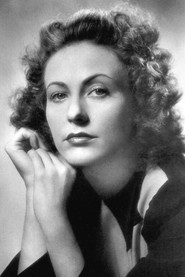
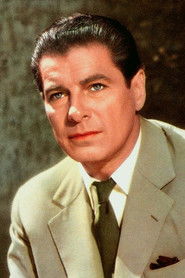
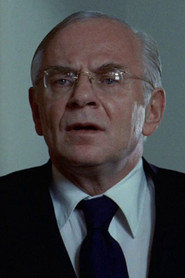
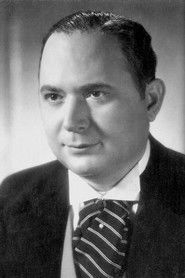
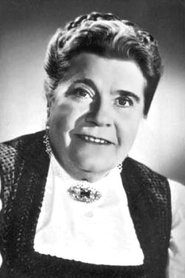
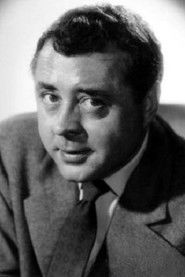
The film stars O.W. Fischer, Carola Höhn, Rudolf Prack, Rudolf Schündler, Paul Kemp, and Oskar Sima in leading roles.
Is Leuchtende Schatten (1945) worth watching?
As a historical artifact of 1940s German cinema, Leuchtende Schatten offers value for film historians and classic movie enthusiasts. The comedy genre provides light entertainment, though viewers should approach it with understanding of its wartime context.
How long is Leuchtende Schatten?
Runtime details are not listed.
About Leuchtende Schatten (1945) — Classic German Comedy
Leuchtende Schatten (1945) stands as a distinctive entry in German cinema from the final year of World War II. Directed by the accomplished Géza von Cziffra, this comedy offers audiences a glimpse into the entertainment landscape of 1940s Germany. The film features a talented ensemble cast led by O.W. Fischer and Carola Höhn, alongside Rudolf Prack, Rudolf Schündler, Paul Kemp, and Oskar Sima.
Set against the backdrop of wartime Europe, Leuchtende Schatten provides both humor and escapism through its comedic storytelling. The film represents an important historical artifact of German filmmaking during a pivotal period in world history. While details about the specific plot remain limited, the combination of von Cziffra's direction and this distinguished cast suggests a film that blends entertainment with the cultural sensibilities of its era.
For enthusiasts of classic cinema and German film history, Leuchtende Schatten (1945) offers valuable insight into the entertainment preferences and production styles of the mid-1940s. The movie remains a noteworthy addition to collections focusing on wartime European cinema.