Brückenallee Nr. 3 1967
Brückenallee Nr. 3 (1967) is a compelling German television drama that captures the intimate struggles of everyday life through nuanced character portrayals.
Director: Rudolf Jugert
Cast

Frequently Asked Questions
What is Brückenallee Nr. 3 (1967) about?
This 1967 drama follows interconnected characters whose lives converge on a bridge street, exploring themes of human connection, isolation, and personal struggle in post-war Germany through intimate storytelling and nuanced performances.
Who directed Brückenallee Nr. 3?
Rudolf Jugert directed this 1967 television drama, bringing his distinctive style to the intimate character study that defines the film's approach to domestic storytelling.
Who stars in Brückenallee Nr. 3?
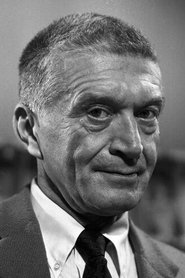
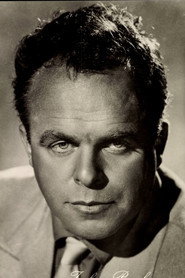
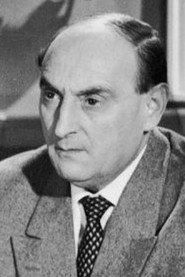
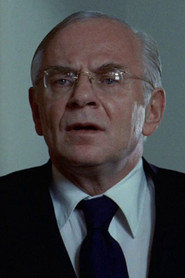
The film features Friedrich Joloff, Jochen Brockmann, Kurt Ehrhardt, Martin Brandt, and Rudolf Schündler in key roles, with Christian Rode also appearing in the ensemble cast.
Is Brückenallee Nr. 3 (1967) worth watching?
As an unrated television drama from 1967, this film offers historical value for fans of German cinema and character-driven narratives. Its intimate scope and authentic performances make it worthwhile for viewers interested in mid-century European television productions.
How long is Brückenallee Nr. 3?
The runtime is 75 minutes, making it a concise yet complete dramatic experience suitable for viewing on multiple devices.
Brückenallee Nr. 3: A 1967 German Drama Exploring Life's Crossroads
Brückenallee Nr. 3 (1967) is a compelling German television drama that captures the intimate struggles of everyday life through nuanced character portrayals. Directed by Rudolf Jugert, this 75-minute film weaves together the interconnected lives of its protagonists, creating a tapestry of human emotion and social commentary characteristic of mid-20th century European cinema.
The story unfolds with Friedrich Joloff and Jochen Brockmann leading a talented ensemble cast that includes Kurt Ehrhardt, Martin Brandt, Rudolf Schündler, and Christian Rode. Set against the backdrop of a bridge street that serves as both literal and metaphorical crossing point, the narrative explores themes of connection, isolation, and the search for meaning in post-war Germany. The film's intimate scope and television origins allow for deep character development rarely seen in larger productions.
Jugert's direction brings authenticity to the domestic drama, focusing on the subtle tensions and quiet revelations that define human relationships. The drama genre proves perfect for examining personal conflicts against broader social changes, making Brückenallee Nr. 3 (1967) a fascinating glimpse into both cinematic and cultural history. Available for streaming or download, this restored classic offers valuable insight into 1960s German television filmmaking.