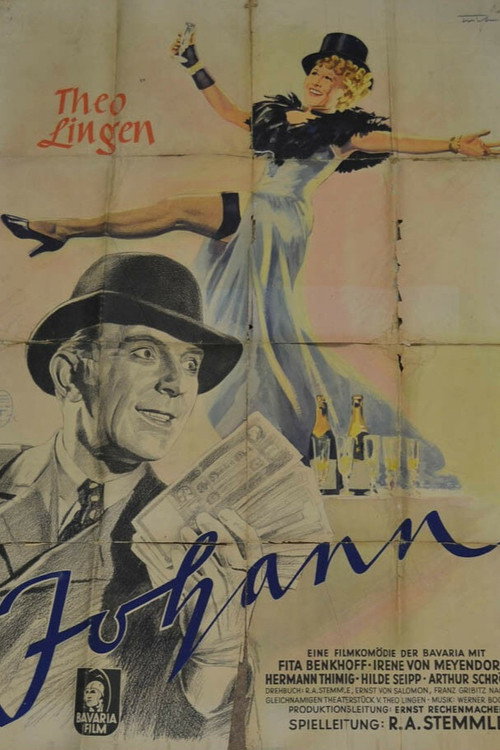
Johann 1943
Set against the backdrop of wartime Europe, *Johann (1943)* is a lighthearted German comedy that weaves humor into the struggles of daily life. Directed by Robert A.
Director: Robert A. Stemmle
Cast

Frequently Asked Questions
What is Johann (1943) about?
*Johann (1943)* is a German wartime comedy that follows a clever but chaotic protagonist as he stumbles through a series of comedic escapades. The film blends humor with the struggles of daily life in the 1940s, offering a lighthearted yet poignant look at resilience through laughter.
Who directed Johann?
Robert A. Stemmle directed *Johann (1943)*, bringing a keen eye for comedic timing and a touch of warmth to the wartime setting.
Who stars in Johann?
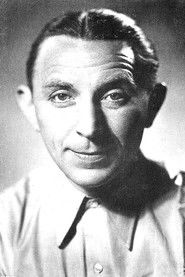
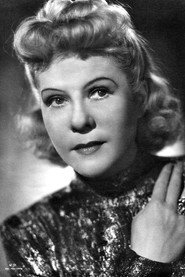
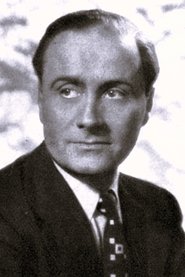
The film stars Theo Lingen, Fita Benkhoff, Irene von Meyendorff, Hermann Thimig, and Hilde Seipp in its lead roles.
Is Johann (1943) worth watching?
As a wartime comedy, *Johann (1943)* stands out for its blend of humor and heart, making it a charming choice for fans of classic cinema. While it may lack modern sensibilities, its historical value and lighthearted tone make it worth exploring for genre enthusiasts.
How long is Johann?
Runtime details for *Johann (1943)* are not listed.
About Johann (1943) — Classic German Comedy with Theo Lingen in a Wartime Caper
Set against the backdrop of wartime Europe, *Johann (1943)* is a lighthearted German comedy that weaves humor into the struggles of daily life. Directed by Robert A. Stemmle, the film follows the escapades of a charming but mischievous protagonist as he navigates a series of comedic mishaps, all while trying to outwit the challenges of a society strained by conflict. With a stellar cast led by Theo Lingen and Fita Benkhoff, the movie balances wit and warmth, offering audiences a brief respite from the era's heavier themes. The atmosphere is playful yet tinged with nostalgia, reflecting the resilience of the human spirit even in uncertain times.
The story unfolds with a blend of slapstick humor and clever dialogue, making *Johann (1943)* a standout in wartime cinema. Stemmle's direction infuses the film with a rhythm that keeps the energy high, while the performances bring depth to what could have been mere farce. From mistaken identities to unlikely alliances, the plot revels in the absurdities of life, proving that laughter can be a powerful form of resistance. Whether viewed as a historical curiosity or a genuine comedy, the film remains a fascinating snapshot of its time, appealing to fans of classic cinema and genre enthusiasts alike.