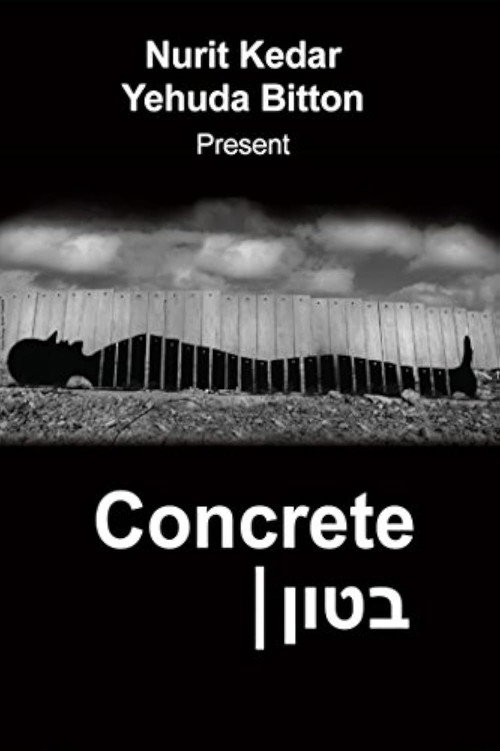
Bettone 2011
In Bettone (2011), Israeli soldiers break their silence about the 2009 Gaza conflict in a revealing documentary that strips away military censorship.
Director: Nurit Kedar
Frequently Asked Questions
What is Bettone (2011) about?
Bettone (2011) is a documentary that reveals the unfiltered experiences of Israeli soldiers who took part in the 2009 Gaza conflict. Due to military embargoes, their stories had previously gone untold, making this film a rare and crucial account of modern warfare.
Who directed Bettone?
Bettone (2011) was directed by Nurit Kedar, a filmmaker known for her work in documentary storytelling.
Who stars in Bettone?
The documentary features anonymized Israeli soldiers who participated in Operation Cast Lead, along with their personal reflections.
Is Bettone (2011) worth watching?
Given its raw, firsthand accounts of a significant military operation, Bettone (2011) offers a compelling watch for those interested in war documentaries. Its unfiltered perspective and 65-minute runtime make it accessible without compromising depth.
How long is Bettone?
Bettone (2011) has a runtime of 65 minutes.
About Bettone (2011) — Israeli soldiers speak out in a powerful war documentary
In Bettone (2011), Israeli soldiers break their silence about the 2009 Gaza conflict in a revealing documentary that strips away military censorship. Directed by Nurit Kedar, this 65-minute film gives a rare, unfiltered glimpse into the experiences of those who participated in Operation Cast Lead. Through candid interviews, it explores themes of duty, trauma, and the psychological weight of war, painting a stark portrait of modern combat. The documentary's tense atmosphere lingers as soldiers reflect on their actions, offering a perspective rarely seen in mainstream media.
Bettone (2011) doesn't just document history—it challenges viewers to confront the human cost of conflict. The film's raw honesty and intimate storytelling create a haunting yet necessary viewing experience for those interested in the realities of military engagement. By centering on personal accounts, it humanizes the broader geopolitical struggles of the region.