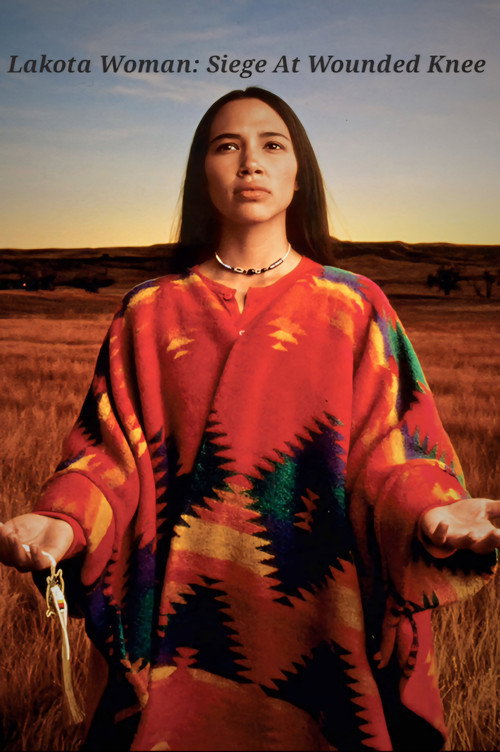
Lakota Woman: Siege at Wounded Knee 1994
"She dreamed of justice and fought for it in a place called Wounded Knee."
Lakota Woman: Siege at Wounded Knee (1994), directed by Frank Pierson, dives into the raw and pivotal 1973 standoff at Wounded Knee through the eyes of Mary Crow Dog.
Director: Frank Pierson
Cast





Frequently Asked Questions
What is Lakota Woman: Siege at Wounded Knee (1994) about?
The film follows Mary Crow Dog, a Lakota woman raised in poverty, who becomes a key figure in the 1973 armed standoff at Wounded Knee. The story blends her personal journey with the broader struggle for Indigenous rights against systemic injustices.
Who directed Lakota Woman: Siege at Wounded Knee?
Frank Pierson directed this meaningful drama, bringing a nuanced perspective to the real-life events.
Who stars in Lakota Woman: Siege at Wounded Knee?
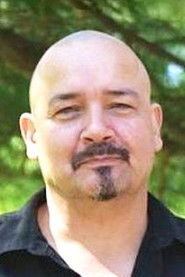
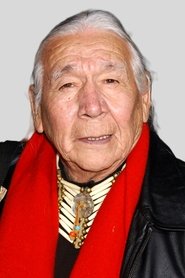
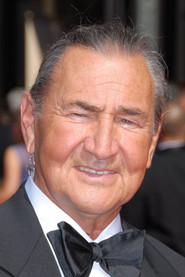
The film features Irene Bedard, Charles Abourezk, Tantoo Cardinal, Michael Horse, and Lawrence Bayne in leading roles.
Is Lakota Woman: Siege at Wounded Knee (1994) worth watching?
This powerful TV movie delivers a gripping narrative rooted in historical events. While it may not have a widely known IMDb rating, its impactful themes and strong performances make it a compelling watch for drama and history enthusiasts.
How long is Lakota Woman: Siege at Wounded Knee?
Lakota Woman: Siege at Wounded Knee runs for 100 minutes.
About Lakota Woman: Siege at Wounded Knee (1994) — A Story of Courage and Conflict
Lakota Woman: Siege at Wounded Knee (1994), directed by Frank Pierson, dives into the raw and pivotal 1973 standoff at Wounded Knee through the eyes of Mary Crow Dog. A heartfelt drama set against the windswept plains of South Dakota, the film weaves together the struggles of the Lakota people with the turbulent spirit of the 1960s. Irene Bedard leads a powerful cast, embodying the fierce determination of a woman who transforms personal hardship into a fight for justice and cultural survival. With themes of resilience and resistance, the movie captures the weight of history and the power of collective courage.
The atmosphere is charged with tension and urgency, mirroring the real-life clash between Indigenous activists and federal forces. As the drama unfolds, it questions the cost of activism and the meaning of identity in a land scarred by broken promises. Lakota Woman: Siege at Wounded Knee (1994) stands as a poignant reminder of the ongoing battle for Indigenous rights, blending historical weight with deeply human storytelling.