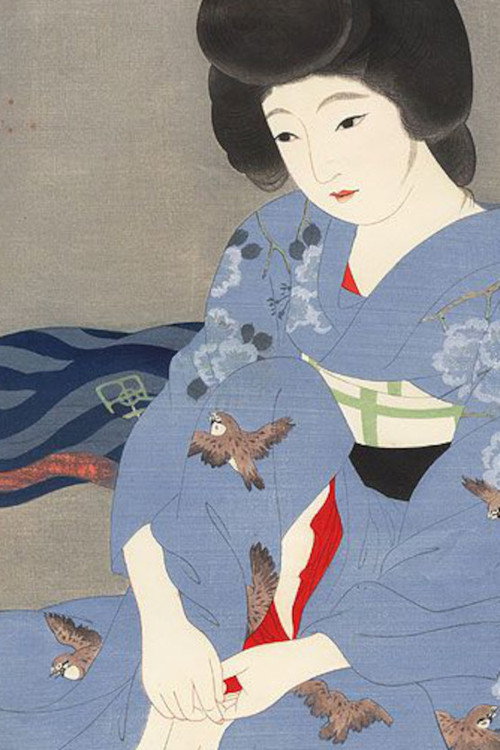
Mr. and Mrs. Swordplay 1930
Dive into the charming world of early cinema with *Mr. and Mrs. Swordplay* (1930), a silent comedy gem crafted by Japan's legendary filmmaker Mikio Naruse.
Director: Mikio Naruse
Cast
Frequently Asked Questions
What is Mr. and Mrs. Swordplay (1930) about?
This silent comedy follows a spirited couple whose playful arguments escalate into an all-out farcical battle, complete with exaggerated swordplay and slapstick chaos. It's a whimsical take on domestic disputes, where humor trumps all.
Who directed Mr. and Mrs. Swordplay?
The film was directed by Mikio Naruse, a master of Japanese cinema known for his sharp comedic timing and emotional depth.
Who stars in Mr. and Mrs. Swordplay?
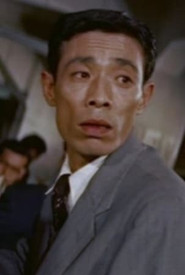
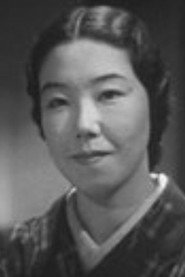
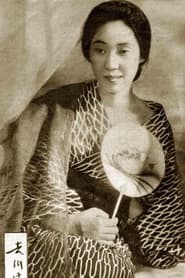
The film stars Tomio Aoki, Hisao Furuya, Nobuko Wakaba, and Mitsuko Yoshikawa in key roles.
Is Mr. and Mrs. Swordplay (1930) worth watching?
While it's a short silent film, *Mr. and Mrs. Swordplay* offers a delightful glimpse into early Japanese comedy and Naruse's signature style. Its brevity and humor make it a charming watch for fans of classic cinema.
How long is Mr. and Mrs. Swordplay?
The film runs for 21 minutes.
About Mr. and Mrs. Swordplay (1930) — Mikio Naruse's Silent Comedy Classic Explored
Dive into the charming world of early cinema with *Mr. and Mrs. Swordplay* (1930), a silent comedy gem crafted by Japan's legendary filmmaker Mikio Naruse. This brisk 21-minute short showcases Naruse's knack for playful storytelling, blending physical humor with a lighthearted take on marital squabbles.
At the heart of the film are comedic powerhouses Tomio Aoki and Hisao Furuya, as they spar in a series of slapstick escapades that escalate into a full-blown farcical duel. With supporting turns from Nobuko Wakaba and Mitsuko Yoshikawa, Naruse crafts a world where swords clash less with steel and more with sheer comedic timing. The silent format amplifies the visual wit, making it a delightful snapshot of 1930s Japanese comedy at its most inventive.