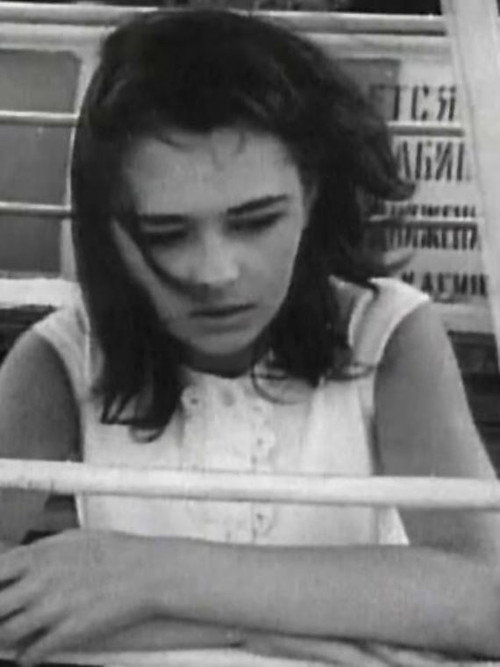
Carrousel 1962
Carrousel (1962) is a brief yet impactful Georgian student film that tells its story entirely without dialogue. Directed by Mikheil Kobakhidze, this 12-minute drama-comedy captures a pivotal moment of connection between two young people set against the backdrop of everyday life.
Director: Mikheil Kobakhidze
Cast
Frequently Asked Questions
What is Carrousel (1962) about?
Carrousel follows a young man who notices a young woman during an ordinary day, exploring the quiet moment of connection and attraction that blossoms between them. The film captures this tender encounter through visual storytelling rather than dialogue.
Who directed Carrousel?
Mikheil Kobakhidze directed Carrousel (1962). He was also an actor in the film, bringing his personal vision to this dialogue-free student production.
Who stars in Carrousel?
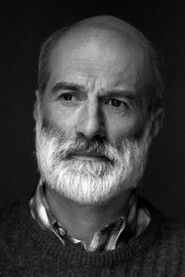
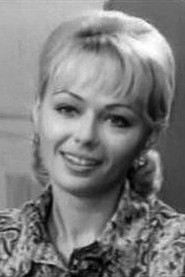
The film features Sergej Borodokin, Mikheil Kobakhidze, and Natalya Zorina in key roles, creating an intimate three-person cast that drives the story forward.
Is Carrousel (1962) worth watching?
As an unrated student film experiment, Carrousel offers unique value for viewers interested in minimalist cinema and Georgian film history. Its dialogue-free approach and brief runtime make it an interesting curiosity for fans of alternative storytelling.
How long is Carrousel?
Carrousel runs for 12 minutes, making it a brief but complete cinematic experience.
About Carrousel (1962) — Silent Georgian Student Film About Love and Chance
Carrousel (1962) is a brief yet impactful Georgian student film that tells its story entirely without dialogue. Directed by Mikheil Kobakhidze, this 12-minute drama-comedy captures a pivotal moment of connection between two young people set against the backdrop of everyday life. The film strips away unnecessary exposition, relying instead on visual storytelling and natural performances to convey its themes of youthful attraction and human connection.
Kobakhidze also appears in the film alongside Sergej Borodokin and Natalya Zorina, creating an intimate three-person dynamic that feels authentic and unforced. The dialogue-free approach gives Carrousel (1962) a universal quality, allowing audiences to focus purely on the emotional beats and subtle interactions between characters. This experimental approach showcases the creative spirit of early 1960s Georgian cinema.
Despite its short runtime, the film manages to capture something genuinely tender about those unexpected moments when life shifts. The carousel metaphor suggests the cyclical nature of daily routine, interrupted by chance encounters that change everything. For fans of minimalist filmmaking and student cinema, Carrousel (1962) offers a fascinating glimpse into Georgian film history.