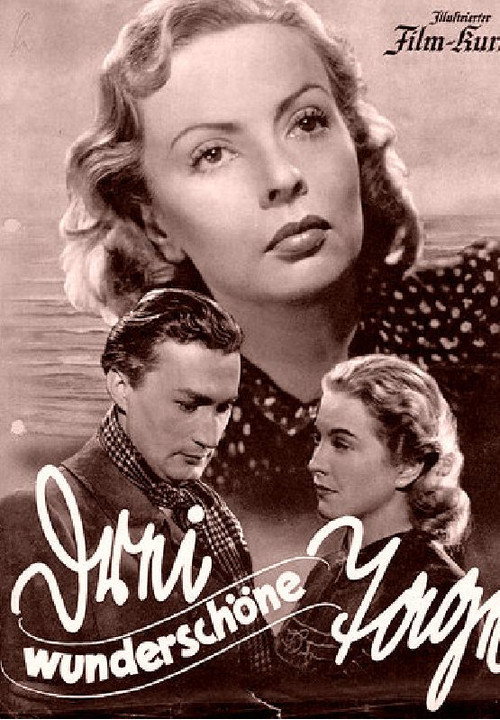
Drei wunderschöne Tage 1939
Directed by Fritz Kirchhoff in 1939, *Drei wunderschöne Tage* is a classic German comedy that blends satire with lighthearted optimism against the backdrop of economic turmoil.
Director: Fritz Kirchhoff
Cast


Frequently Asked Questions
What is *Drei wunderschöne Tage* (1939) about?
This 1939 German comedy follows a company's employees on a three-day outing as financial ruin looms over their workplace. Beneath the surface of lighthearted fun, each character grapples with personal struggles, creating a blend of humor, drama, and subtle social commentary.
Who directed *Drei wunderschöne Tage*?
The film was directed by Fritz Kirchhoff, a notable figure in German cinema known for his work during the 1930s and 1940s.
Who stars in *Drei wunderschöne Tage*?
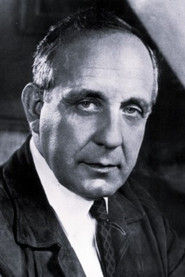
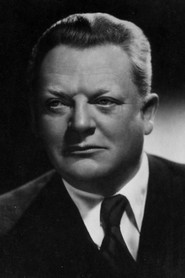
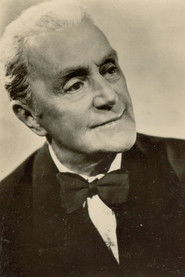
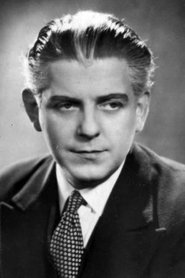
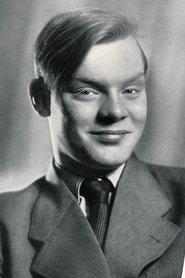
The film features O.E. Hasse, Otto Wernicke, Gina Falckenberg, Gustav Waldau, and Hans Zesch-Ballot in its ensemble cast.
Is *Drei wunderschöne Tage* (1939) worth watching?
While *Drei wunderschöne Tage* isn't a widely celebrated classic, its blend of comedy and drama offers a fascinating snapshot of 1930s German cinema. Fans of historical films or period comedies might find its optimistic yet grounded storytelling intriguing.
How long is *Drei wunderschöne Tage*?
Runtime details for *Drei wunderschöne Tage* are not listed.
About Drei wunderschöne Tage (1939) — A 1930s German Comedy Balancing Hope and Hardship
Directed by Fritz Kirchhoff in 1939, *Drei wunderschöne Tage* is a classic German comedy that blends satire with lighthearted optimism against the backdrop of economic turmoil. Set during a company's three-day getaway, the film follows a group of employees on the brink of financial ruin, each carrying their own personal struggles and dreams. Their journey unfolds episodically, weaving together humor and drama as the script steers every challenge toward a satisfying, if somewhat idealized, resolution. Despite its propagandistic undertones—never overtly named but woven into the fabric of the era—the film captures the resilience of its characters with warmth and charm.
The atmosphere of *Drei wunderschöne Tage* is a curious mix of pre-war German cinema's polished storytelling and the era's societal tensions, wrapped in a veneer of escapism. While the narrative leans heavily on optimism, the undercurrent of desperation adds depth, making the comedy feel both nostalgic and subtly poignant. Whether viewed as a product of its time or simply as an entertaining period piece, the film offers a glimpse into the complexities of its characters' lives and the power of hope in uncertain times.