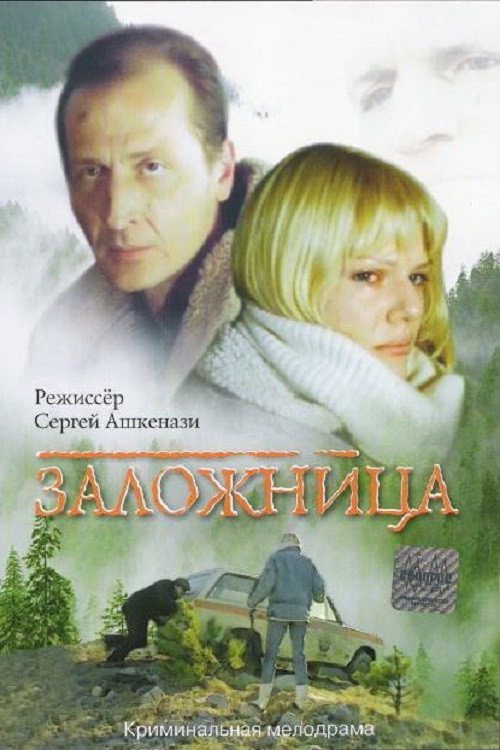
Hostage 1990
Directed by Sergej Ashkenazy, *Hostage (1990)* dives into the tense interplay between an escaped refugee and the young girl he holds captive, revealing a story richer than its premise might suggest.
Director: Sergej Ashkenazy
Cast







Frequently Asked Questions
What is Hostage (1990) about?
The film follows an escaped refugee who takes a young girl hostage, forcing them into an uneasy coexistence. Their relationship unfolds against a backdrop of moral dilemmas and unexpected connection, blending crime and drama with psychological depth.
Who directed Hostage?
Sergej Ashkenazy directed *Hostage (1990)*, crafting a tense narrative grounded in human drama and moral ambiguity.
Who stars in Hostage?
The film features Aleksandra Zakharova, Algis Matulionis, Yuriy Kuzmenkov, Aleksandr Buleyko, and Aleksandr Yakovlev in pivotal roles.
Is Hostage (1990) worth watching?
While IMDb hasn't rated it, *Hostage (1990)* offers a compelling crime-drama with strong performances and thematic depth. Fans of psychological tension will find its exploration of survival and connection particularly rewarding.
How long is Hostage?
The runtime for *Hostage (1990)* is 100 minutes.
About Hostage (1990) — A gripping crime-drama on power and unexpected bonds
Directed by Sergej Ashkenazy, *Hostage (1990)* dives into the tense interplay between an escaped refugee and the young girl he holds captive, revealing a story richer than its premise might suggest. Set against a backdrop of strained human connections, the film explores the complexities of power, survival, and the fragile bonds formed under duress. With its stark drama and undercurrent of moral ambiguity, *Hostage (1990)* crafts an atmosphere of quiet tension, where every glance and whispered word carries weight. Aleksandra Zakharova delivers a compelling performance as the displaced figure at the story's core, while the supporting cast adds layers of depth to the unfolding crisis.
This 100-minute crime-drama lingers on the psychological toll of confinement and the unexpected empathy that can arise in the most unnatural circumstances. Ashkenazy's direction ensures the narrative remains grounded, avoiding sensationalism in favor of raw, human drama. The film's themes resonate long after the credits roll, leaving viewers to ponder the fine line between captor and captive, and the stories untold in the spaces between silence and surrender.