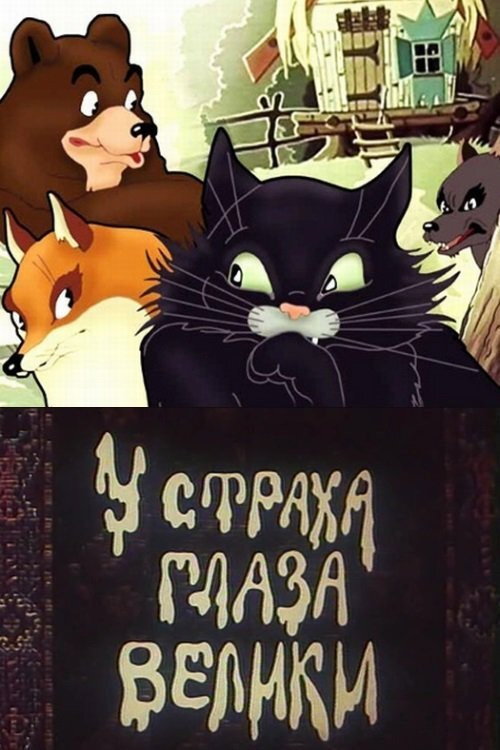
Fear Has Big Eyes 1946
In *Fear Has Big Eyes (1946)*, Soviet animator Pyotr Nosov brings to life a playful twist on the classic Russian folk tale *Cat and the Fox*.
Director: Pyotr Nosov
Cast


Frequently Asked Questions
What is *Fear Has Big Eyes* (1946) about?
*Fear Has Big Eyes* follows Kotofei Ivanovich, a lazy black cat banished by his angry master for his lack of mouse-catching skills. Thrown into the forest, Kotofei encounters the sly Fox, who manipulates him into a scheme involving gifts meant for the forest's new ruler. The tale blends folk wisdom with playful animation.
Who directed *Fear Has Big Eyes*?
*Fear Has Big Eyes* was directed by Pyotr Nosov, a Soviet animator known for his work in classic Soviet animation during the mid-20th century.
Who stars in *Fear Has Big Eyes*?
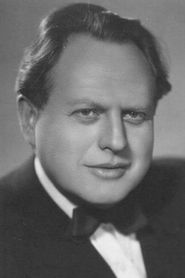
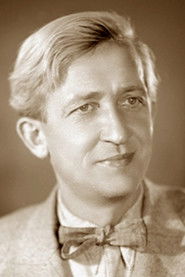
The animated short features the vocal talents of Grigoriy Shpigel as Kotofei Ivanovich, alongside Yuliya Yulskaya, Zinaida Bokareva, and Leonid Pirogov in key roles.
Is *Fear Has Big Eyes* (1946) worth watching?
As a Soviet animation short rooted in folk traditions, *Fear Has Big Eyes* offers a charming glimpse into mid-century animation styles and storytelling. While it may lack the polish of modern cartoons, its moral fable and historical significance make it a curious watch for animation enthusiasts and folklore fans.
How long is *Fear Has Big Eyes*?
The film has a runtime of 10 minutes.
About Fear Has Big Eyes (1946) — Soviet Cartoon Classic Based on Russian Folk Tale
In *Fear Has Big Eyes (1946)*, Soviet animator Pyotr Nosov brings to life a playful twist on the classic Russian folk tale *Cat and the Fox*. The short animated film follows Kotofei Ivanovich, a charm-filled black cat with a penchant for sour cream but a complete disinterest in mousing—much to his master's frustration. Cast out into the forest in a sack, Kotofei must navigate a world where sly creatures like the wily Fox manipulate the naïve. With vibrant animation and a whimsical tone, the film blends folklore with gentle humor, critiquing greed and betrayal beneath its charming exterior.
The story unfolds like a fable, rich with visual wit and a dash of mischief. Nosov's direction infuses the cartoon with a lighthearted yet moralistic edge, as Kotofei's misfortunes serve as a reminder of the consequences of deceit. The film's concise runtime and animated charm make it a nostalgic gem for fans of mid-century Soviet animation and folk-inspired storytelling.