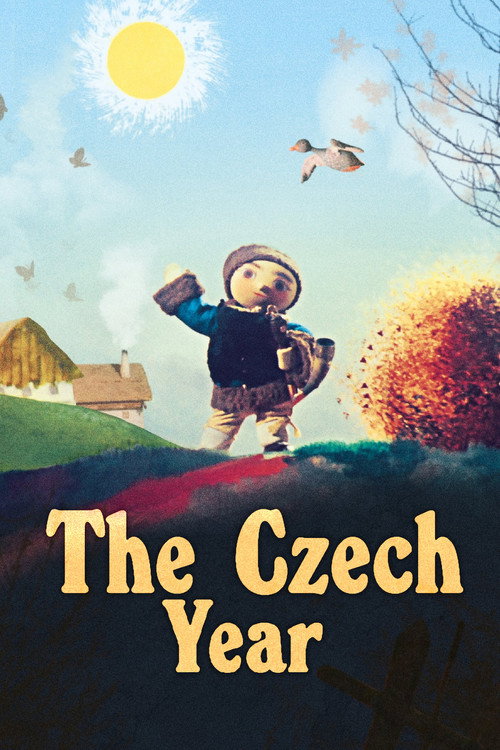
The Czech Year 1947
The Czech Year (1947) stands as a landmark achievement in animation history, marking Jiří Trnka's pioneering transition to full-length puppet filmmaking.
Director: Jiří Trnka
Frequently Asked Questions
What is The Czech Year (1947) about?
The Czech Year follows the cycle of traditional Czech village life through six distinct sequences, portraying seasonal celebrations and folk tales from Shrovetide through Bethlehem. Each segment captures different aspects of rural customs and community traditions.
Who directed The Czech Year?
Jiří Trnka directed this pioneering puppet film, establishing himself as a master of Czech animation and bringing international recognition to the country's animation tradition.
Who stars in The Czech Year?
Cast information for The Czech Year is currently unavailable, as this puppet animation focuses on the artistry of the characters rather than individual performers.
Is The Czech Year (1947) worth watching?
Absolutely. This film represents a significant milestone in animation history and offers a unique glimpse into Czech cultural heritage. While unrated on IMDb, its artistic merit and historical importance make it compelling viewing for animation enthusiasts.
How long is The Czech Year?
The Czech Year runs for 75 minutes.
The Czech Year (1947): Jiří Trnka's Celebration of Czech Folklore — Full Movie Info
The Czech Year (1947) stands as a landmark achievement in animation history, marking Jiří Trnka's pioneering transition to full-length puppet filmmaking. This enchanting 75-minute musical journey celebrates Czech rural traditions through six beautifully crafted sequences that capture the rhythm of village life across seasons and celebrations. From the lively Shrovetide festivities to the peaceful Bethlehem scene, each segment weaves together folk tales and customs that shaped Czech identity.
Trnka's masterful puppetry brings these traditional stories to life with remarkable artistry, creating an atmosphere that's both nostalgic and magical. The film serves as a cultural treasure chest, preserving customs that might otherwise fade from memory. Its themes of community, seasonal cycles, and national heritage resonate through the delicate animation and musical score, making it essential viewing for anyone interested in Eastern European cinema or animation history.