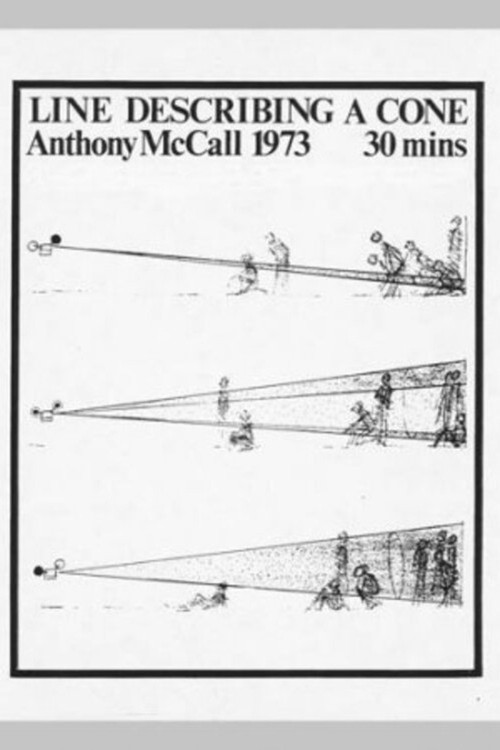
Line Describing a Cone 1973
Anthony McCall's visionary short film *Line Describing a Cone* (1973) redefines cinema by transforming light itself into the star of the show.
Director: Anthony McCall
Frequently Asked Questions
What is Line Describing a Cone (1973) about?
This experimental film strips cinema down to its core, using a 16mm projector to cast a slowly evolving beam of light that traces a cone-like shape through space. It's less about storytelling and more about the raw experience of light as a physical presence, reshaping how audiences engage with the medium.
Who directed Line Describing a Cone?
Anthony McCall, a pioneer of experimental and structural film, directed *Line Describing a Cone*. His work blurs the lines between art installations and cinema, focusing on the materiality of light and projection.
Who stars in Line Describing a Cone?
Cast details for *Line Describing a Cone* are not publicly documented, as the film is a non-narrative, experimental piece centered on light and projection rather than performers.
Is Line Describing a Cone (1973) worth watching?
If you're drawn to avant-garde cinema or curious about the boundaries of visual art, *Line Describing a Cone* is a must-see. Its meditative, immersive approach may not appeal to fans of traditional narratives, but it's a landmark in experimental filmmaking that rewards patient viewers with a unique sensory experience.
How long is Line Describing a Cone?
*Line Describing a Cone* has a runtime of approximately 30 minutes, offering a concentrated yet deeply engaging experience.
About Line Describing a Cone (1973) — The Minimalist Masterpiece That Turns Light into Art
Anthony McCall's visionary short film *Line Describing a Cone* (1973) redefines cinema by transforming light itself into the star of the show. Unlike traditional films that rely on narratives or visuals projected onto a screen, this experimental 16mm work strips back the medium to its bare essentials—a slowly evolving beam of light that dances through space, creating a tangible, immersive experience. As the title suggests, the film traces the path of a conical light projection, inviting viewers to step into its three-dimensional glow and experience the intersection of art and physics in real time. The atmosphere is hypnotic and meditative, a minimalist journey that challenges perceptions of what film can be.
McCall's groundbreaking approach merges sculpture with cinema, turning the act of watching into a physical encounter. The piece unfolds without dialogue or conventional imagery, relying instead on the interplay of light, time, and environment. Whether viewed in a gallery or a darkened room, *Line Describing a Cone* doesn't just play on a screen—it occupies the space around it, creating a haunting, almost spiritual encounter with the medium of film itself.