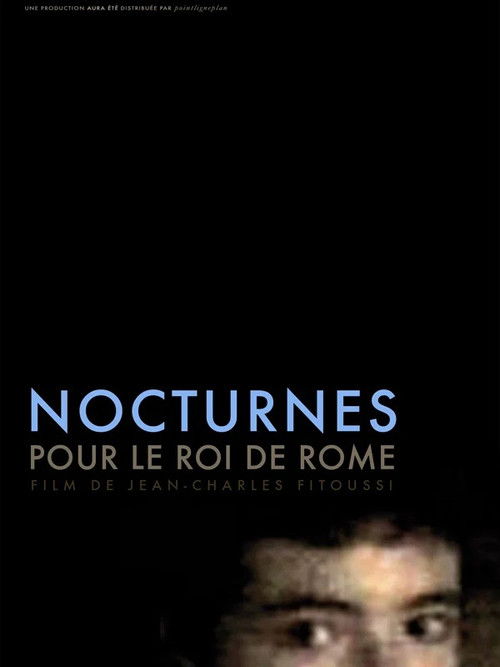
Nocturnes for the King of Rome 2010
Nocturnes for the King of Rome (2010), directed by Jean-Charles Fitoussi, is a contemplative cinematic meditation on memory, art, and the haunting weight of the past.
Director: Jean-Charles Fitoussi
Cast
Frequently Asked Questions
What is Nocturnes for the King of Rome (2010) about?
It follows an elderly German composer summoned to Rome to compose eight nocturnes for a mysterious King. Struggling with unresolved trauma tied to the city, his artistic paralysis deepens as memories resurface with every step.
Who directed Nocturnes for the King of Rome?
Jean-Charles Fitoussi directs this atmospheric drama, known for his visually poetic and introspective filmmaking style.
Who stars in Nocturnes for the King of Rome?
The film features standout performances from Cécile Bouissou, Amélie Dumont, and Frédérick Weibgen in key roles.
Is Nocturnes for the King of Rome (2010) worth watching?
With its meditative pacing and rich thematic layers, it's a niche but rewarding experience for fans of arthouse cinema. While not widely mainstream, its poetic elegance lingers long after viewing. Its 80-minute runtime keeps it tight and immersive.
How long is Nocturnes for the King of Rome?
The film runs for 80 minutes.
Nocturnes for the King of Rome (2010): A Poetic Journey Through Memory and Silence
Nocturnes for the King of Rome (2010), directed by Jean-Charles Fitoussi, is a contemplative cinematic meditation on memory, art, and the haunting weight of the past. An aging German composer receives an unexpected invitation to Rome from the King, tasked with creating eight nocturnes. Yet as he walks through the city's ancient streets, the shadows of past tragedies resurface, paralyzing his creative spirit. The film weaves a dreamlike atmosphere of quiet introspection, blending classical music with the visual poetry of Roma's timeless beauty.
Fitoussi's delicate direction and the subtle performances of Cécile Bouissou, Amélie Dumont, and Frédérick Weibgen evoke a mood of melancholic yearning. The narrative unfolds like a slow, meditative nocturne itself, where each frame feels laden with unspoken sorrow. Themes of exile, artistic struggle, and the inescapable grip of history linger long after the final note fades.