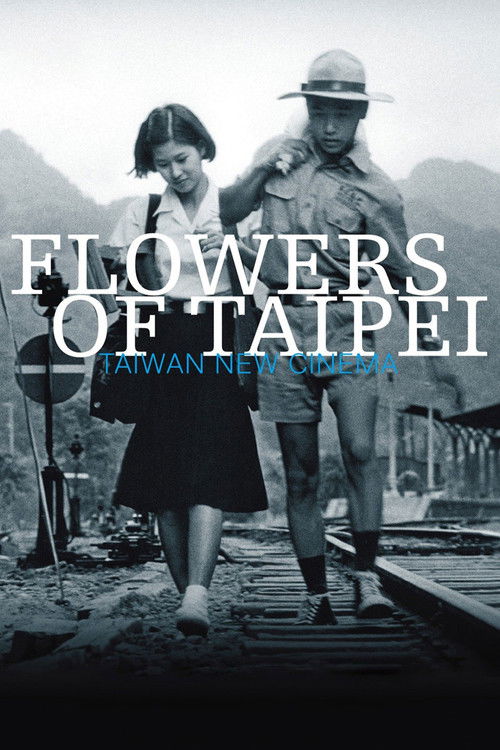
Flowers of Taipei: Taiwan New Cinema 2014
In 1982, when Taiwan was still under martial law, a bold group of filmmakers ignited a quiet revolution through their cameras.
Director: Hsieh Chin-Lin
Cast


Frequently Asked Questions
What is *Flowers of Taipei: Taiwan New Cinema* (2014) about?
This documentary dives into the Taiwan New Cinema movement of the 1980s, when filmmakers under martial law used their art to break cultural isolation and share Taiwan's voice with the world. It blends archival insights with interviews to reveal how cinema became a tool for identity and resistance.
Who directed *Flowers of Taipei: Taiwan New Cinema*?
The film was directed by Hsieh Chin-Lin, a key figure in documenting Taiwanese cinema's most transformative era.
Who stars in *Flowers of Taipei: Taiwan New Cinema*?
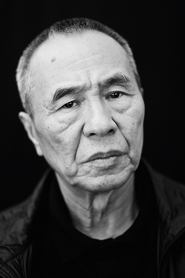
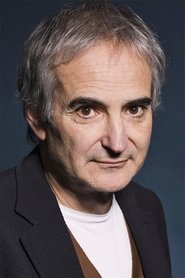
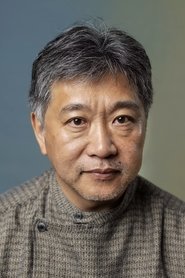
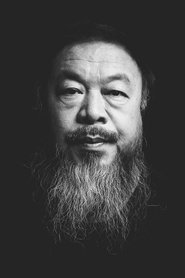
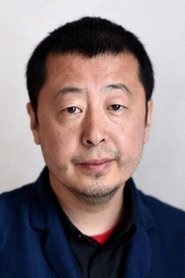
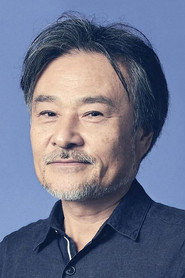
The documentary features conversations with iconic directors and artists, including Hou Hsiao-hsien, Apichatpong Weerasethakul, Olivier Assayas, Hirokazu Kore-eda, Ai Weiwei, and Jia Zhangke.
Is *Flowers of Taipei: Taiwan New Cinema* (2014) worth watching?
With its gripping blend of history and personal storytelling, this documentary offers a rare glimpse into how cinema can shape cultural identity. While IMDb doesn't rate it, its themes and roster of interviewees make it a must-watch for film enthusiasts.
How long is *Flowers of Taipei: Taiwan New Cinema*?
The runtime is 109 minutes, or roughly 1 hour and 49 minutes.
🎥 Trailer
About Flowers of Taipei: Taiwan New Cinema (2014) — The documentary that defined a nation's cinematic identity
In 1982, when Taiwan was still under martial law, a bold group of filmmakers ignited a quiet revolution through their cameras. *Flowers of Taipei: Taiwan New Cinema* (2014), directed by Hsieh Chin-Lin, explores how this avant-garde movement transformed Taiwanese cinema from a hidden art into a global force. The documentary weaves interviews with legendary directors like Hou Hsiao-hsien and Apichatpong Weerasethakul, alongside artists such as Ai Weiwei and Jia Zhangke, to uncover the cultural urgency behind their storytelling. Through archival footage and personal reflections, it captures the rebellious spirit of a generation fighting to define their identity one frame at a time.
The film pulses with the tension of an era where art was both escape and defiance. It balances intimate portraits of filmmakers with sweeping commentary on Taiwan's artistic awakening, creating an atmosphere that's as reflective as it is revelatory. *Flowers of Taipei: Taiwan New Cinema* isn't just a history lesson—it's a celebration of how cinema became the voice of a nation finding its footing.