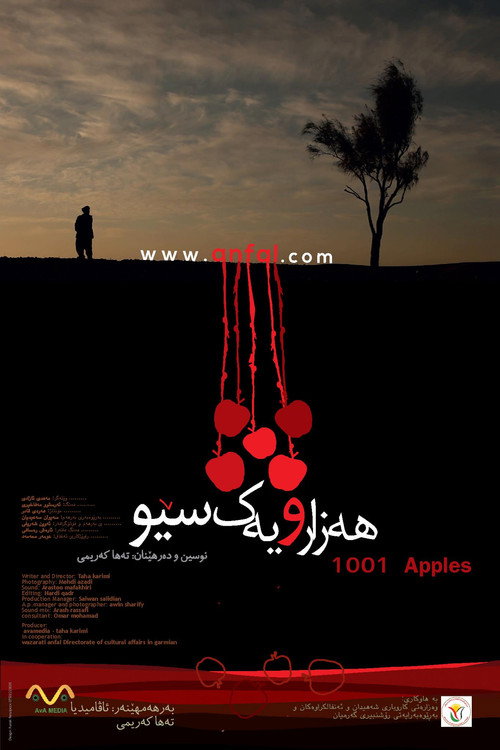
1001 Apples 2013
In 1988, the Anfal campaign orchestrated by Saddam Hussein's Ba'ath regime left a chilling mark on Kurdish history, with over 182,000 lives lost and buried in mass graves across Iraqi Kurdistan.
Director: Taha Karimi
Cast
Frequently Asked Questions
What is 1001 Apples (2013) about?
*1001 Apples* (2013) chronicles the aftermath of the Anfal massacres, where one survivor, Faraj Muhammad Aziz, returns to Kurdistan decades later to deliver symbolic apples to families of the victims. The documentary intertwines personal survival with collective healing, shedding light on a chapter of history often overlooked.
Who directed 1001 Apples?
The film was directed by Taha Karimi, a filmmaker who brings a sensitive yet unflinching approach to documenting historical atrocities and their lingering impact on communities.
Who stars in 1001 Apples?
The documentary features Faraj Muhammad Aziz as the central figure, alongside Qahar Khalil Muhammad, Hashim Muhammad Rashid, Abdulkarim Nayf Hasan, and Ababakir Ali Saeed, who represent the voices of survivors and witnesses.
Is 1001 Apples (2013) worth watching?
For viewers interested in historical documentaries or human rights narratives, *1001 Apples* offers a deeply moving and informative experience. While IMDb does not rate it, its focus on a lesser-known genocide and the courage of survivors makes it a compelling watch for those seeking stories of resilience and remembrance.
How long is 1001 Apples?
The documentary runs for 74 minutes.
🎥 Trailer
About 1001 Apples (2013) — Survivor's Story of Kurdish Genocide and Remembrance
In 1988, the Anfal campaign orchestrated by Saddam Hussein's Ba'ath regime left a chilling mark on Kurdish history, with over 182,000 lives lost and buried in mass graves across Iraqi Kurdistan. *1001 Apples (2013)* follows Faraj Muhammad Aziz, one of the few survivors of this genocide, who emerged from the dead to later resettle in the United States under the protection of Human Rights Watch.
Director Taha Karimi crafts a poignant documentary that blends personal testimony with haunting historical weight, exploring themes of memory, justice, and remembrance. Through the symbolic act of distributing 1,001 red apples—each representing a lost life—Faraj and four fellow survivors embark on a journey back to Kurdistan to reconnect with families torn apart by the atrocities. The film's quiet intensity and emotional resonance make it a profound tribute to those who perished and a stark reminder of the enduring scars of conflict.