
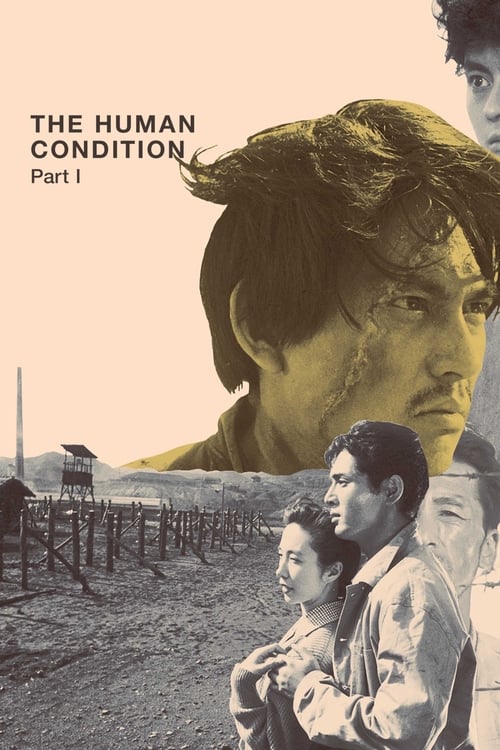
The Human Condition I: No Greater Love 1959
"The Immortal Story."
Masaki Kobayashi's monumental anti-war epic *The Human Condition I: No Greater Love* (1959) unfolds against the brutal backdrop of Manchuria during World War II, where idealism clashes with the cold machinery of oppression.
Director: Masaki Kobayashi
Cast

Tatsuya Nakadai
Kaji

Michiyo Aratama
Michiko

Chikage Awashima
Tôfuku Kin

Ineko Arima
Shunran Yô
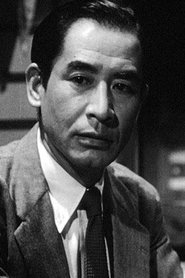
So Yamamura
Okishima

Akira Ishihama
Chin

Kōji Nanbara
Kô

Seiji Miyaguchi
Kyôritsu Ô

Tōru Abe
Watarai Gunsô
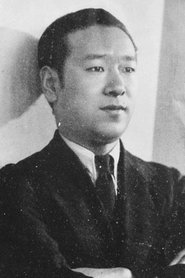
Masao Mishima
Kuroki Shochô
Frequently Asked Questions
What is The Human Condition I: No Greater Love (1959) about?
This epic drama follows Kaji, a compassionate labor supervisor in Japanese-occupied Manchuria, who risks everything to challenge the inhuman conditions of a mining camp. His fight for justice quickly escalates into a brutal confrontation with authority, testing his resolve and humanity.
Who directed The Human Condition I: No Greater Love?
Masaki Kobayashi, a legendary Japanese filmmaker renowned for his socially conscious and provocative works like *Harakiri* and *Kwaidan*.
Who stars in The Human Condition I: No Greater Love?
The film features Tatsuya Nakadai in a career-defining role as Kaji, alongside Michiyo Aratama as his wife Michiko, and standout performances from Chikage Awashima, Ineko Arima, and So Yamamura.
Is The Human Condition I: No Greater Love (1959) worth watching?
Absolutely, if you're drawn to powerful, thought-provoking cinema. Its epic scale, moral depth, and unflinching portrayal of war's horrors make it a landmark in anti-war storytelling, though its length demands patience and commitment.
How long is The Human Condition I: No Greater Love?
The film runs for 204 minutes, offering an immersive, sprawling cinematic experience.
🎥 Trailer
About The Human Condition I: No Greater Love (1959) — Masaki Kobayashi's anti-war masterpiece
Masaki Kobayashi's monumental anti-war epic *The Human Condition I: No Greater Love* (1959) unfolds against the brutal backdrop of Manchuria during World War II, where idealism clashes with the cold machinery of oppression. At its core is Kaji, a principled young man who takes a job overseeing a labor camp to implement humane conditions, only to face relentless resistance from ruthless officials, sadistic overseers, and the iron fist of military authority. With his wife Michiko by his side, Kaji's struggle becomes a poignant meditation on dignity, justice, and the crushing weight of systemic cruelty. The film's sprawling 204-minute runtime immerses viewers in a harrowing, unflinching narrative that balances intimate personal drama with sweeping historical tragedy.
Kobayashi, a master of moral storytelling, crafts a visually striking and emotionally devastating portrait of war's dehumanizing effects. *The Human Condition I: No Greater Love* is not just a film about conflict but a profound exploration of what it means to retain humanity when the world around you has surrendered to brutality.