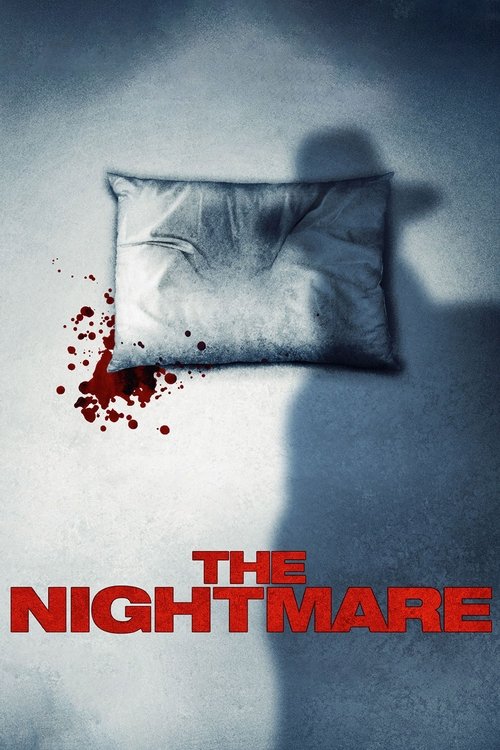
The Nightmare 2015
"Welcome to the scariest place on earth."
Directed by Rodney Ascher, *The Nightmare (2015)* plunges viewers into the unsettling world of sleep paralysis, where reality blurs with vivid hallucinations.
Director: Rodney Ascher
Cast

Frequently Asked Questions
What is The Nightmare (2015) about?
*The Nightmare* (2015) delves into the terrifying phenomenon of sleep paralysis, where sufferers wake unable to move, speaking or reacting as unseen forces torment them. Through interviews and haunting recreations, the film explores their shared experiences of helplessness and dread.
Who directed The Nightmare?
Rodney Ascher, known for blending documentary realism with horror elements, directed *The Nightmare* (2015).
Who stars in The Nightmare?
The documentary features firsthand accounts from Forrest Borie, Korinne Wilson, Andrew Schwarz, and others, alongside a notable voice appearance by Johnny Depp.
Is The Nightmare (2015) worth watching?
As a horror documentary, *The Nightmare* (2015) delivers a uniquely unsettling experience with its mix of real stories and atmospheric dread. While not for the faint of heart, it's a gripping exploration of psychological terror that horror fans will appreciate.
How long is The Nightmare?
The Nightmare (2015) runs for 90 minutes.
🎥 Trailer
About The Nightmare (2015) — A Chilling Look at Sleep Paralysis and Horror
Directed by Rodney Ascher, *The Nightmare (2015)* plunges viewers into the unsettling world of sleep paralysis, where reality blurs with vivid hallucinations. The documentary follows eight individuals who recount their harrowing experiences—the inability to move, speak, or react—as shadowy figures loom over them in their darkest moments. With eerie reenactments and candid interviews, Ascher crafts a chilling atmosphere that lingers long after the credits roll, exploring the psychological toll of this mysterious condition.
Blending horror with documentary authenticity, the film taps into primal fears of helplessness and the unknown. The Nightmare (2015) doesn't just document a phenomenon—it immerses audiences in the dread of waking nightmares, where every shadow feels alive. Combining psychological horror with real-life testimonies, it's a visceral exploration of terror that leaves you questioning what's real and what's imagined.