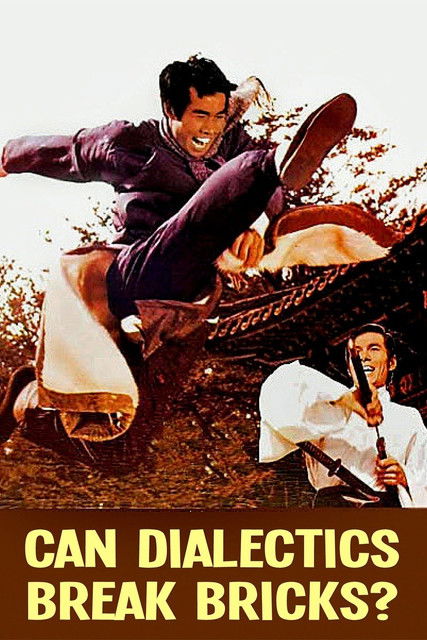
Can Dialectics Break Bricks? 1973
"A toast to the exploited!"
Can Dialectics Break Bricks? (1973), directed by the subversive René Viénet, flips the script on traditional martial arts cinema by infusing it with sharp political satire.
Director: René Viénet
Cast






Frequently Asked Questions
What is Can Dialectics Break Bricks? (1973) about?
This 1973 film reworks a Hong Kong martial arts movie into a sly critique of state capitalism, where oppressed workers turn the tables on their bureaucratic oppressors using wit, strategy, and a bit of old-fashioned violence. It's a surreal blend of action and ideology that feels decades ahead of its time.
Who directed Can Dialectics Break Bricks?
The film was directed by René Viénet, a filmmaker and situationist known for his provocative, politically charged cinema that challenges societal norms.
Who stars in Can Dialectics Break Bricks?
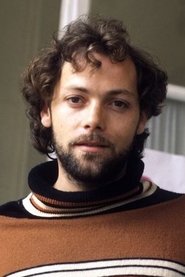
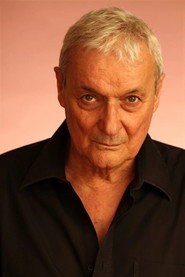
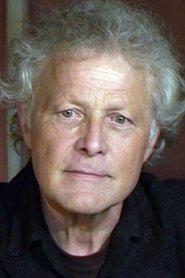
The cast features martial arts stars Chen Hung-Lieh and Jason Pai Piao, alongside French voice actors Raoul Curet, Jacques Thébault, Michèle Grellier, and Dominique Morin, who bring the redubbed dialogue to life.
Is Can Dialectics Break Bricks? (1973) worth watching?
If you're a fan of offbeat cinema that packs a punch—both physical and intellectual—this film delivers. While it lacks an IMDb rating for reference, its unique mix of action, humor, and political subversion makes it a cult favorite worth seeking out for its sheer originality and audacious style.
How long is Can Dialectics Break Bricks?
The runtime is approximately 90 minutes.
About Can Dialectics Break Bricks? (1973) — When Kung Fu Meets Revolutionary Theory
Can Dialectics Break Bricks? (1973), directed by the subversive René Viénet, flips the script on traditional martial arts cinema by infusing it with sharp political satire. Originally a Hong Kong action film, this experimental redub transforms the story into a surreal battle of wits between oppressed workers and their bureaucratic overlords—all while the proletariat wields the weapons of dialectical reasoning and collective defiance. Picture a high-energy martial arts romp reimagined as a Marxist allegory, where every punchline carries ideological weight and every fight scene becomes a battle of ideologies. The film crackles with the energy of a revolution in full swing, blending acrobatic choreography with biting social commentary.
It's a genre-defying experience that feels as fresh today as it must have in 1973—equal parts entertaining spectacle and cerebral provocation. Whether you're drawn in by the fight scenes or the philosophical firepower, Viénet's radical reimagining ensures this isn't just another action flick. It's a heady, fist-pumping manifesto disguised as pure cinema.