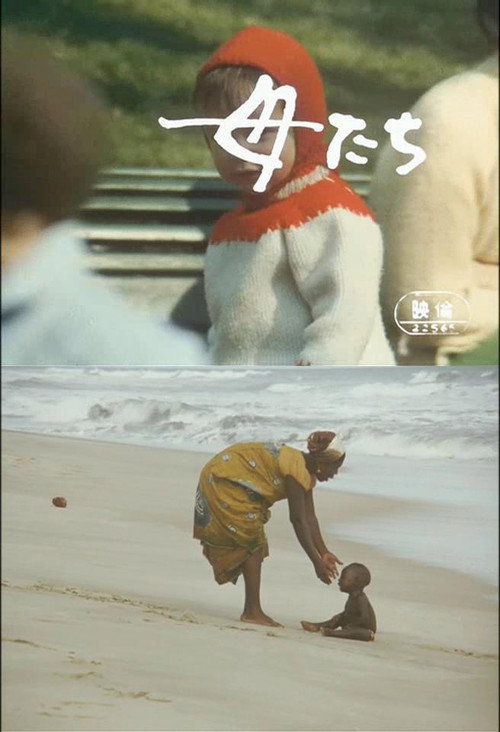
Mothers 1967
Dive into the raw, revealing world of *Mothers (1967)*, an evocative documentary by visionary Japanese filmmaker Toshio Matsumoto that examines the intricate bonds between mothers and their children.
Director: Toshio Matsumoto
Cast

Frequently Asked Questions
What is Mothers (1967) about?
*Mothers (1967)* peels back the layers of family dynamics, exploring the complex, often unspoken relationships between mothers and their children. Through candid interviews and observational footage, it captures the emotional highs and lows of these bonds, revealing how love, duty, and personal growth intertwine in everyday life.
Who directed Mothers?
The film was directed by Toshio Matsumoto, a pioneering Japanese filmmaker known for his innovative visual style and bold exploration of social and psychological themes.
Who stars in Mothers?
The documentary features Kyôko Kishida as the central figure, with additional appearances by real-life mothers and their children in the observational sequences.
Is Mothers (1967) worth watching?
With its experimental approach to documentary filmmaking, *Mothers (1967)* is a fascinating watch for fans of Japanese cinema and those interested in intimate, character-driven stories. While it's a niche film, its emotional depth and artistic vision make it a rewarding experience—especially for viewers seeking something beyond traditional narratives.
How long is Mothers?
The runtime of *Mothers* is 40 minutes.
About Mothers (1967) — A Raw Portrait of Mother-Child Bonds
Dive into the raw, revealing world of *Mothers (1967)*, an evocative documentary by visionary Japanese filmmaker Toshio Matsumoto that examines the intricate bonds between mothers and their children. Through intimate, unfiltered interviews and observational storytelling, the film captures the emotional spectrum of these relationships—love, sacrifice, conflict, and unspoken understanding—painting a portrait that feels both deeply personal and universally resonant. Matsumoto's signature avant-garde approach infuses the 40-minute runtime with a poetic intensity, making even the most mundane moments feel charged with significance. The film's black-and-white cinematography and experimental techniques blur the line between documentary and art, immersing viewers in a slice-of-life experience that lingers long after the credits roll.
*Mothers (1967)* isn't just a study of parenthood; it's a meditation on humanity itself, where the camera becomes a silent witness to the quiet triumphs and struggles of family life. Whether you're a student of Japanese cinema or simply drawn to human stories, this short but powerful film offers a glimpse into the universal challenges and joys of motherhood, all framed by Matsumoto's bold, introspective lens.