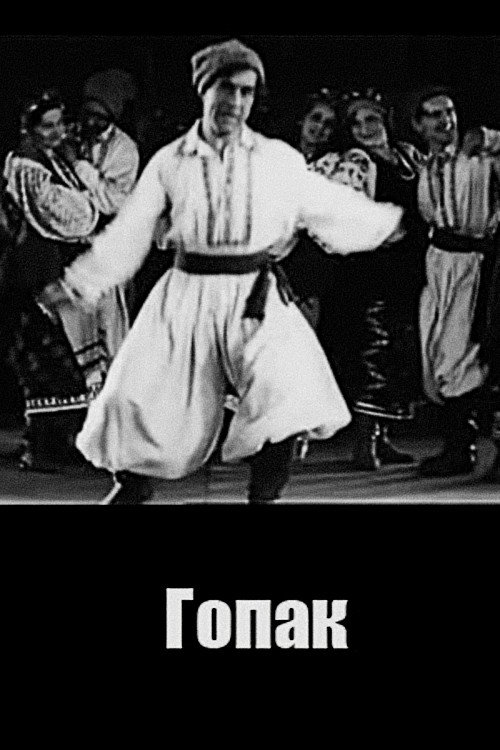
Hopak 1931
Step into the vibrant world of early Soviet cinema with *Hopak* (1931), a captivating 11-minute experimental short directed by visionary filmmaker Mikhail Tsekhanovskiy.
Director: Mikhail Tsekhanovskiy
Frequently Asked Questions
What is Hopak (1931) about?
*Hopak* (1931) is a short experimental film that showcases a few dynamic dance performances, centering on the traditional Ukrainian folk dance known as Hopak. Blending documentary realism with rhythmic energy, the film transforms simple movements into a vivid snapshot of cultural expression. Its concise runtime belies its immersive atmosphere, leaving a lasting impression of folk artistry in motion.
Who directed Hopak?
Mikhail Tsekhanovskiy directed *Hopak* (1931), a Soviet filmmaker known for his innovative approach to documentary and experimental cinema.
Who stars in Hopak?
Cast details for *Hopak* (1931) are not available in public records.
Is Hopak (1931) worth watching?
With its unique blend of folk dance and cinematic experimentation, *Hopak* (1931) offers a fascinating glimpse into early Soviet-era documentary filmmaking. While it's a short watch at just 11 minutes, its energetic performances and cultural significance make it a compelling choice for enthusiasts of historical or folk-themed cinema. That said, its unrated status means expectations should be tempered—it's more of an intriguing curio than a must-see classic.
How long is Hopak?
*Hopak* (1931) runs for 11 minutes.
About Hopak (1931) — Dive into a Soviet-era folk-dance documentary gem
Step into the vibrant world of early Soviet cinema with *Hopak* (1931), a captivating 11-minute experimental short directed by visionary filmmaker Mikhail Tsekhanovskiy. This intriguing documentary-musical gem captures the raw energy and cultural depth of traditional Ukrainian folk dance, blending rhythm, movement, and visual storytelling into a fleeting but unforgettable experience. Set against the backdrop of the 1930s, *Hopak* immerses viewers in a world where dance becomes more than performance—it's a celebration of heritage, identity, and artistic innovation. The film's concise runtime belies its evocative power, offering a snapshot of an era where experimental cinema pushed boundaries and folk traditions took center stage.
As one of the era's most distinctive documentaries, *Hopak* stands out for its fusion of music and motion. Though details about the cast remain elusive, the film's focus on the titular folk dance—a lively, acrobatic tradition—creates an atmosphere of joy and spontaneity. Tsekhanovskiy's direction transforms a simple dance routine into a cinematic experiment, where every frame pulses with the spirit of Ukraine's rich cultural tapestry. For lovers of early cinema, folk art, and bold visual storytelling, *Hopak* offers a brief but brilliant window into a bygone creative moment.