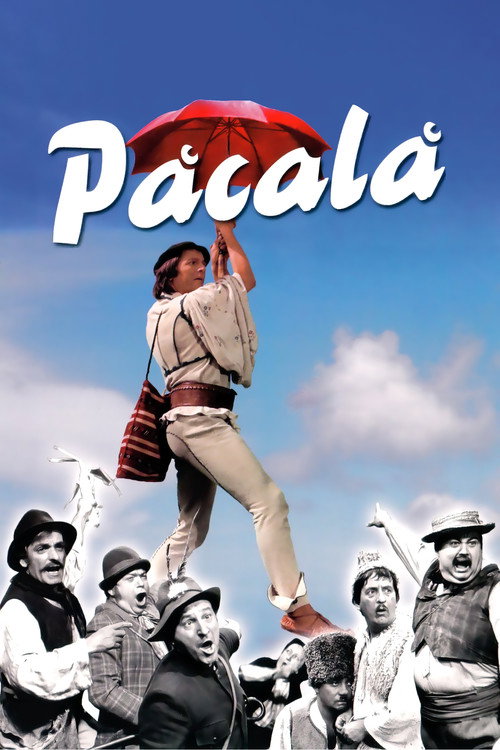
Păcală 1974
In 'Păcală (1974)', Romanian director Geo Saizescu brings to life the beloved folk hero Pacala, a witty and free-spirited character who delights in ridiculing the flaws of human nature.
Director: Geo Saizescu
Cast
Frequently Asked Questions
What is Păcală (1974) about?
The film follows the adventures of Pacala, a witty and free-spirited folk hero who delights in ridiculing the flaws of human nature.
Who directed Păcală?
The film was directed by Geo Saizescu, a renowned Romanian filmmaker.
Who stars in Păcală?
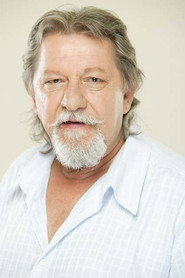
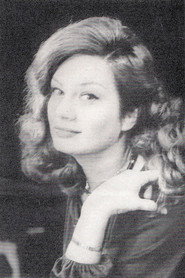
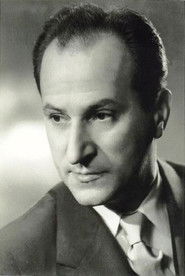
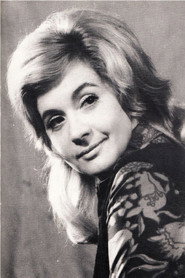
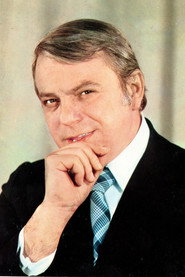
The main cast includes Sebastian Papaiani, Mariella Petrescu, and Ștefan Mihăilescu-Brăila.
Is Păcală (1974) worth watching?
While 'Păcală (1974)' may not have a high IMDb rating, its lighthearted tone and beautiful scenery make it a charming comedy classic that is worth watching for fans of the genre.
How long is Păcală?
The film has a runtime of 122 minutes.
About Păcală (1974) — A Timeless Comedy Classic from Romania
In 'Păcală (1974)', Romanian director Geo Saizescu brings to life the beloved folk hero Pacala, a witty and free-spirited character who delights in ridiculing the flaws of human nature. With a keen eye for the absurd, Pacala's antics often lead to humorous confrontations with the greedy, vain, and materialistic. Set against the breathtaking backdrop of Romania's natural beauty, this comedy film offers a refreshing take on life's philosophical dilemmas. As Pacala navigates the complexities of human behavior, he inspires us to reevaluate our priorities and find joy in the simple things. With a talented cast, including Sebastian Papaiani and Mariella Petrescu, 'Păcală (1974)' is a timeless comedy classic that continues to charm audiences today.
In 'Păcală (1974)', Geo Saizescu masterfully weaves a narrative that is both entertaining and thought-provoking. With its lighthearted tone and beautiful scenery, this film is a must-watch for fans of comedy and those looking for a refreshing take on life's complexities. So, if you're in the mood for a hilarious and heartwarming comedy, look no further than 'Păcală (1974)'.