
Adam 1974
Dive into the unsettling world of *Adam (1974)*, Yona Day's chilling drama-horror hybrid that explores the dark corners of the human psyche. Dr.
Director: Yona Day
Cast
Frequently Asked Questions
What is Adam (1974) about?
*Adam (1974)* follows Dr. Dan Adam, a respected surgeon who challenges a psychologist's theory that self-worth prevents murder. As his confidence curdles into delusion, he turns his rage on the psychologist and his own family, pushing them toward a terrifying breaking point.
Who directed Adam?
The film was directed by Yona Day, an Israeli filmmaker known for blending psychological tension with genre elements.
Who stars in Adam?
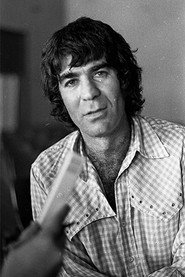
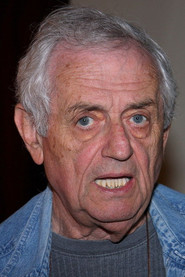
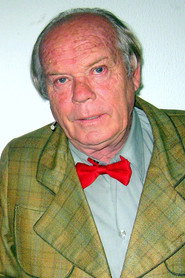
The cast includes Shmulik Kraus as Dr. Dan Adam, alongside Ilan Dar, Iris Davidski, Yehuda Fuchs, and Shlomo Vishinsky in pivotal roles.
Is Adam (1974) worth watching?
While *Adam (1974)* hasn't been rated on IMDb, its unique premise and eerie atmosphere make it a compelling watch for fans of psychological horror and character-driven drama. However, its slow pace and dated elements may not appeal to everyone seeking mainstream thrills.
How long is Adam?
The film runs for 90 minutes.
About Adam (1974) — A surgeon's descent into psychological horror and obsession
Dive into the unsettling world of *Adam (1974)*, Yona Day's chilling drama-horror hybrid that explores the dark corners of the human psyche. Dr. Dan Adam, a respected surgeon, becomes the embodiment of a psychologist's controversial thesis: that self-worth is the only barrier between sanity and violence. As Adam spirals into obsession, his once-privileged life unravels, dragging his family into a nightmare of paranoia and terror. With a haunting atmosphere and a premise that blurs the line between intellect and madness, this Israeli cult classic delivers a gripping, thought-provoking experience.
At its core, *Adam (1974)* is a slow-burn descent into psychological horror, where the protagonist's descent feels eerily plausible. Yona Day crafts a tense, atmospheric narrative that lingers long after the credits roll, questioning whether true self-awareness can coexist with monstrous behavior. The film's unique blend of drama and horror, combined with Shmulik Kraus's intense performance, makes it a standout in 1970s cinema.