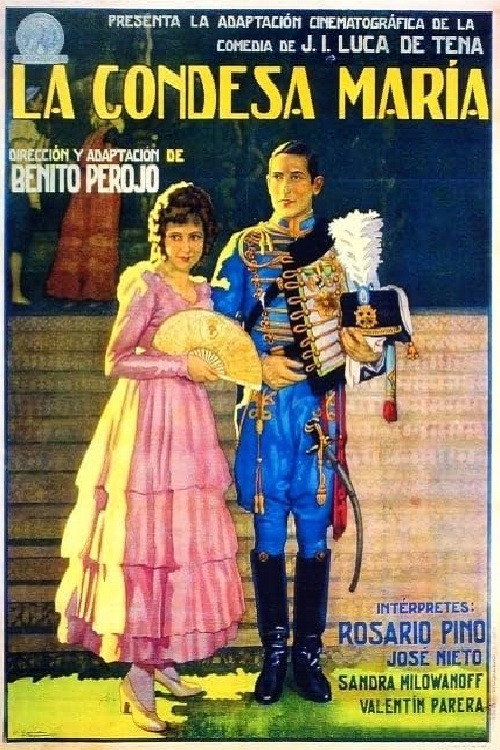
Countess María 1928
Step into the playful world of silent-era Spain with *Countess María (1928)*, a sparkling comedy directed by the visionary Benito Perojo.
Director: Benito Perojo
Cast
Frequently Asked Questions
What is Countess María (1928) about?
*Countess María (1928)* follows a spirited young noblewoman who uses her wit and charm to navigate the rigid expectations of 1920s European high society. When her playful antics lead to unexpected complications, she finds herself entangled in a whirlwind of comedic situations that test her resourcefulness and resolve.
Who directed Countess María?
The film was directed by Benito Perojo, a prominent figure in early Spanish cinema known for his knack for blending humor with social commentary.
Who stars in Countess María?
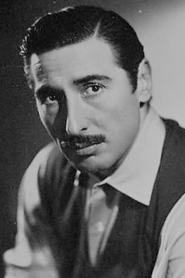
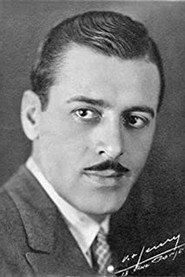
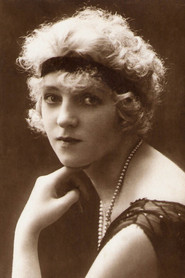
The film features Rosario Pino in the lead role, supported by José Nieto, Valentín Parera, Sandra Milovanoff, and Andrée Standart in key performances.
Is Countess María (1928) worth watching?
As an early silent-era comedy, *Countess María (1928)* offers a charming glimpse into the playful side of 1920s cinema. While it may lack the polish of later films, its lightheartedness and historical significance make it an enjoyable watch for fans of classic comedies and silent films.
How long is Countess María?
The runtime of *Countess María (1928)* is 81 minutes.
About Countess María (1928) — The Silent-Era Comedy Sparking Laughter in 1920s Spain
Step into the playful world of silent-era Spain with *Countess María (1928)*, a sparkling comedy directed by the visionary Benito Perojo. This effervescent film stars the radiant Rosario Pino as the titular countess, a mischievous noblewoman whose charm and wit spark a series of delightful escapades. Set against the backdrop of 1920s European high society, the story unfolds with a lighthearted energy that balances elegance with comedic chaos. Perojo's direction infuses the narrative with a playful rhythm, blending social satire with slapstick humor that feels timeless. With a cast that includes José Nieto and Valentín Parera, the film captures the spirit of an era when cinema was discovering its voice, and laughter was the universal language.
At its heart, *Countess María (1928)* is a celebration of resilience and wit, where a young aristocrat navigates the absurdities of her world with grace and humor. The film's crisp black-and-white visuals and expressive performances invite viewers into a bygone age of grandeur and playful mischief. While the plot unfolds with a simplicity that reflects its time, the energy and charm of the characters make it a treat for fans of early cinema and classic comedies alike.