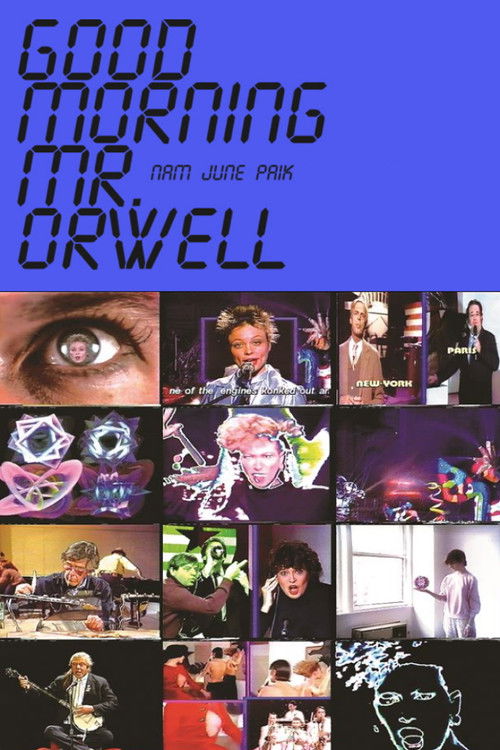
Good Morning, Mr. Orwell 1984
Pioneering video artist Nam June Paik's *Good Morning, Mr. Orwell (1984)* is a bold, playful experiment that transformed late-night TV into a vibrant global stage for art and music.
Director: Nam June Paik
Cast

Frequently Asked Questions
What is Good Morning, Mr. Orwell (1984) about?
This experimental project uses live satellite TV to stage a transatlantic art and music festival, defying Orwell's vision of media as an oppressive force. The broadcast mixes interviews, performances, and avant-garde installations, creating an unpredictable, one-of-a-kind cultural exchange.
Who directed Good Morning, Mr. Orwell?
Nam June Paik, the visionary video artist known for merging technology and art, directed this groundbreaking live broadcast.
Who stars in Good Morning, Mr. Orwell?
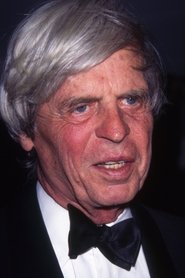
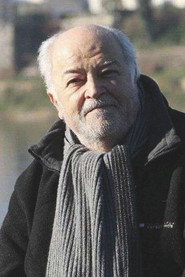
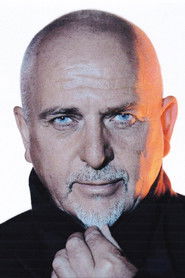
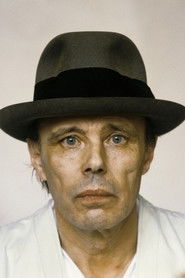
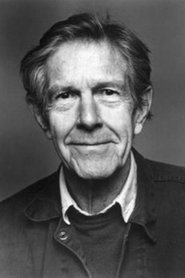
The film features a star-studded lineup including George Plimpton, Peter Gabriel, Laurie Anderson, Joseph Beuys, and John Cage.
Is Good Morning, Mr. Orwell (1984) worth watching?
Though unrated on IMDb, its cultural significance and experimental flair make it a must-see for fans of art, music, and media history. The 58-minute runtime keeps it tight and engaging, offering a unique snapshot of 1980s creativity.
How long is Good Morning, Mr. Orwell?
The runtime is 58 minutes.
About Good Morning, Mr. Orwell (1984) — How Nam June Paik Rewired TV for a New Cultural Era
Pioneering video artist Nam June Paik's *Good Morning, Mr. Orwell (1984)* is a bold, playful experiment that transformed late-night TV into a vibrant global stage for art and music. This 58-minute live broadcast linked New York's WNET with Paris's Centre Pompidou, beaming avant-garde performances and high-energy collaborations across continents in real time. Blending comedy and documentary styles while weaving experimental sounds from Peter Gabriel and Laurie Anderson with talks by Joseph Beuys and John Cage, Paik challenged George Orwell's bleak vision of television as a tool of control. Instead, this intercontinental happening proved broadcast media could unite cultures, spark conversations, and celebrate human creativity against all odds.
Set against the chilling backdrop of 1984—Orwell's oft-cited dystopian future—Paik's project flipped the script, transforming passive viewing into a participatory, boundary-breaking experience. The film crackles with the raw energy of live television, its visuals and audio clashing and harmonizing in equal measure. With a runtime tight enough to hold attention but rich enough to reward repeat viewings, *Good Morning, Mr. Orwell* remains a time-capsule of artistic rebellion, a reminder that even on the small screen, revolution can be televised.