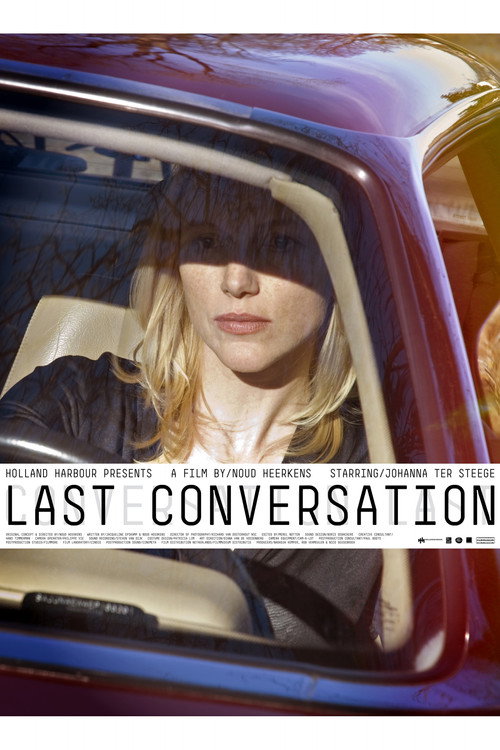
Last Conversation 2009
Last Conversation (2009) follows a solitary woman behind the wheel, her face etched with quiet intensity as she navigates endless highways.
Director: Noud Heerkens
Cast

Frequently Asked Questions
What is Last Conversation (2009) about?
This introspective drama follows a woman on a solitary car ride, where brief phone calls and long silences unravel fragments of her emotional turmoil. The film's minimalist style turns a simple journey into a poignant exploration of memory and unresolved feelings.
Who directed Last Conversation?
Noud Heerkens directed Last Conversation, crafting a film that thrives on visual poetry and quiet intensity.
Who stars in Last Conversation?
The film stars Johanna ter Steege, whose powerful performance anchors the emotional weight of the story.
Is Last Conversation (2009) worth watching?
As a slow-burn drama, Last Conversation may not appeal to fans of fast-paced narratives, but its stark beauty and emotional depth make it a rewarding experience for those who appreciate contemplative cinema. Its brevity and focus keep it engaging without overwhelming.
How long is Last Conversation?
Last Conversation runs for 80 minutes.
About Last Conversation (2009) — A Minimalist Drama of Roads and Regret
Last Conversation (2009) follows a solitary woman behind the wheel, her face etched with quiet intensity as she navigates endless highways. Directed by Noud Heerkens, this meditative drama unfolds against the hypnotic rhythm of speeding traffic, where the road's fleeting lines blur with passing scenery. Short, tense phone calls punctuate the silence, each exchange revealing fragments of a deeper story playing out in her mind. The film captures raw emotion in fleeting glances—her expressions, the weight of unspoken words, the tension between motion and stillness. It's a journey not just of miles, but of memory and longing.
Starring the brilliant Johanna ter Steege, Last Conversation immerses viewers in a contemplative atmosphere where every detail feels deliberate. The minimalist storytelling mirrors the protagonist's internal state, making the mundane—speed, silence, a ringing phone—profound. With its stark visuals and emotional restraint, this 80-minute cinematic poem lingers long after the credits roll, leaving audiences to ponder the conversations left unfinished.