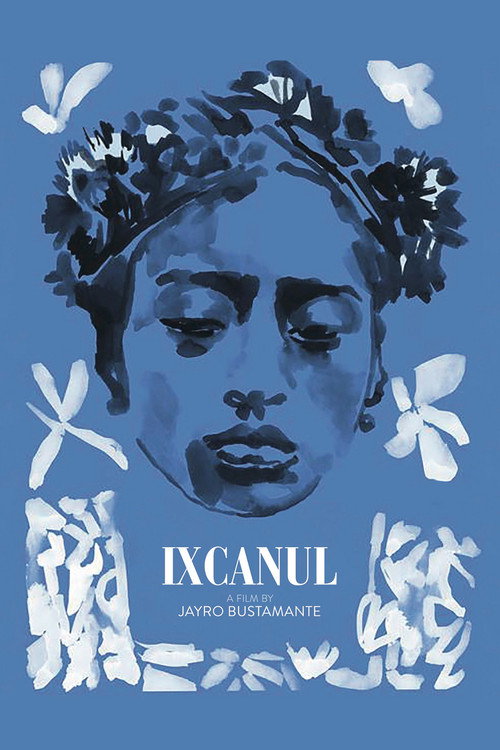
Ixcanul 2015
Jayro Bustamante's Ixcanul (2015) immerses viewers in the stark beauty and quiet resilience of a Kaqchikel Maya community living on a coffee plantation beneath an active volcano.
Director: Jayro Bustamante
Cast

Frequently Asked Questions
What is Ixcanul (2015) about?
Ixcanul (2015) follows María, a young Kaqchikel Maya woman on the cusp of marriage, as her curiosity about the outside world leads her into a moment of defiance. When her plans to escape with a migrant worker collapse, she must rediscover her strength and reclaim her place within her ancestral culture.
Who directed Ixcanul?
Ixcanul was directed by Jayro Bustamante, a Guatemalan filmmaker whose work blends intimate character studies with sharp social observation.
Who stars in Ixcanul?
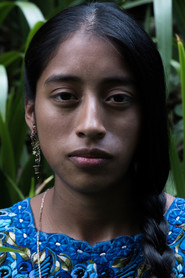
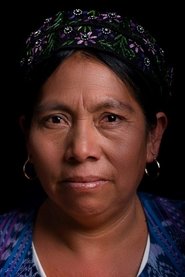
The film features María Mercedes Coroy, María Telón, and Manuel Antún in its central roles, supported by Justo Lorenzo and Marvin Coroy.
Is Ixcanul (2015) worth watching?
Ixcanul (2015) is a quietly powerful drama praised for its authenticity and visual poetry. While it doesn't rely on conventional drama, its cultural depth and restrained storytelling make it a compelling watch for fans of thoughtful, atmospheric cinema.
How long is Ixcanul?
Ixcanul has a runtime of 93 minutes.
🎥 Trailer
Ixcanul (2015): A Poetic Modern Fable of Culture and Choice — Full Movie Info
Jayro Bustamante's Ixcanul (2015) immerses viewers in the stark beauty and quiet resilience of a Kaqchikel Maya community living on a coffee plantation beneath an active volcano. At its heart is María, a spirited 17-year-old whose life is mapped out by tradition—an arranged marriage to the plantation's foreman. But María's dreams stretch beyond the volcanic peaks, toward the unknown worlds glimpsed in passing rumors and fleeting promises. When a charismatic coffee harvester ignites her curiosity, a moment of rebellion unfolds, shattering her expectations and forcing her to confront the power of her own identity within a culture both nurturing and restrictive.
Told with poetic restraint and stunning natural cinematography, Ixcanul (2015) transcends a simple coming-of-age tale to explore themes of agency, belonging, and the tension between progress and tradition. María's journey becomes a mirror for the audience, reflecting universal questions about freedom and fate through the lens of a community rarely seen on screen.