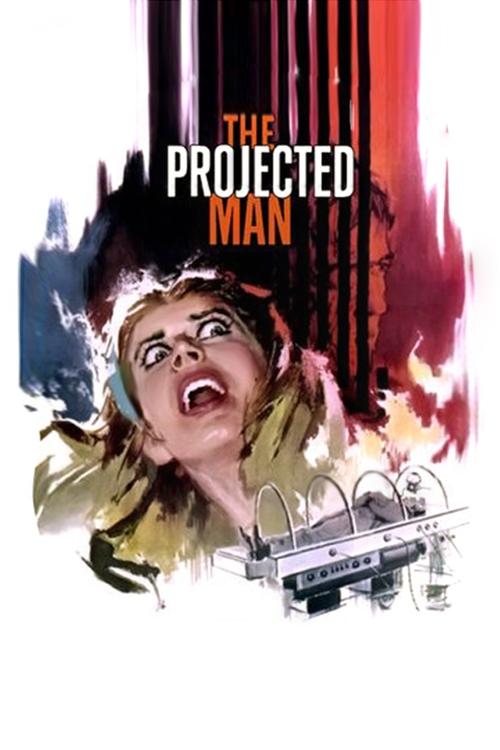
The Projected Man 1966
"Horror of Horrors!"
A chilling voyage into Cold War-era Britain's scientific ambitions turns monstrous when a pioneering researcher's matter-transmitter experiment is sabotaged, unleashing a grotesque transformation.
Director: Ian Curteis
Cast









Frequently Asked Questions
What is The Projected Man (1966) about?
*The Projected Man (1966)* follows a British scientist whose groundbreaking matter-transmitter experiment goes catastrophically wrong after sabotage, leaving him grotesquely disfigured. Haunted by rage and the ghosts of his failed ambition, he weaponizes the very technology that betrayed him, embroiling colleagues in a desperate fight for survival.
Who directed The Projected Man?
The film was directed by Ian Curteis, known for his work in British television and film during the mid-20th century.
Who stars in The Projected Man?
The cast stars Bryant Haliday as the scientist, alongside Mary Peach, Norman Wooland, Ronald Allen, and Derek Farr in pivotal roles.
Is The Projected Man (1966) worth watching?
While it lacks the polish of major studio sci-fi from the era, *The Projected Man* holds cult appeal for fans of dark, low-budget horror and vintage British science fiction. Its raw atmosphere and underdog charm outweigh its flaws—especially for viewers seeking offbeat genre gems.
How long is The Projected Man?
The runtime is 77 minutes, a tight, brisk runtime typical of mid-60s B-movie productions.
🎥 Trailer
About The Projected Man (1966) — When Science Creates a Horror
A chilling voyage into Cold War-era Britain's scientific ambitions turns monstrous when a pioneering researcher's matter-transmitter experiment is sabotaged, unleashing a grotesque transformation. Directed by Ian Curteis, *The Projected Man* (1966) blends eerie horror with vintage sci-fi, as British actor Bryant Haliday delivers a haunting performance as the disfigured scientist consumed by rage and technological vengeance.
Mary Peach and Norman Wooland anchor the cast in a tale steeped in themes of isolation, unchecked scientific hubris, and the unintended consequences of progress. The film's grimy sets and moody cinematography evoke a palpable sense of dread, while its compact runtime keeps the tension relentless—each scene a ticking bomb of simmering peril.