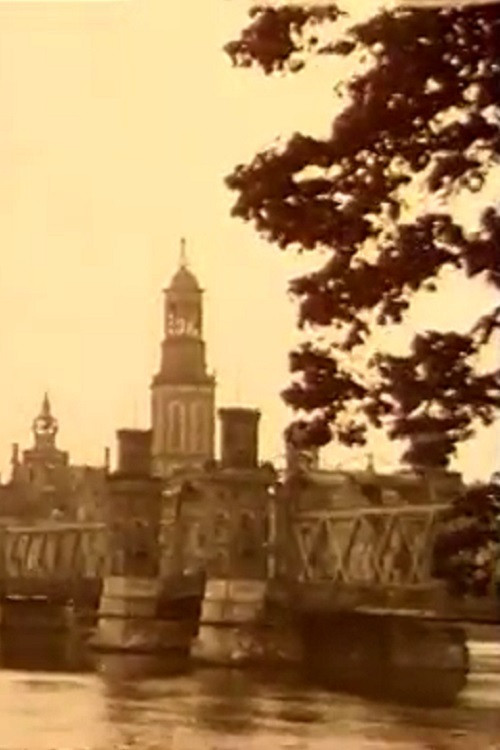
Kampen 1920
Step back in time to 1920 with *Kampen (1920)*, a fascinating Dutch documentary that captures the charm and historical significance of one of the Netherlands' oldest Hanseatic cities.
Director: Willy Mullens
Frequently Asked Questions
What is Kampen (1920) about?
*Kampen (1920)* is a silent documentary that explores the historic Dutch city of Kampen, showcasing its most important buildings and the Hoofdcursus, a military training facility. The film also highlights the city's location along the Gelderse IJssel river, offering a snapshot of life in the early 20th century.
Who directed Kampen?
Kampen was directed by Willy Mullens, a pioneering figure in early Dutch cinema known for his documentary work and innovative filmmaking techniques.
Who stars in Kampen?
The original cast of *Kampen (1920)* is not documented, as it is a silent documentary focusing on locations and historical figures rather than actors.
Is Kampen (1920) worth watching?
As a short silent documentary, *Kampen (1920)* may not appeal to all modern audiences, but it offers invaluable historical insight into early 20th-century Dutch culture and urban development. Fans of silent films, military history, or Dutch heritage will find it particularly engaging.
How long is Kampen?
The runtime of *Kampen (1920)* is 14 minutes.
About Kampen (1920) — Discover the Historic Hanseatic City in Early Cinema
Step back in time to 1920 with *Kampen (1920)*, a fascinating Dutch documentary that captures the charm and historical significance of one of the Netherlands' oldest Hanseatic cities. Directed by the prolific Willy Mullens, this 14-minute silent film offers a rare glimpse into Kampen, a gem nestled along the scenic Gelderse IJssel river. The short documentary highlights the city's most iconic structures, including the stately Hoofdcursus, a training facility for army officers that also hosted members of the Indische Leger. As a window into early 20th-century Dutch life, *Kampen (1920)* blends architectural beauty with military history, showcasing the city's role as a cultural and strategic hub.
The film's atmosphere is one of quiet reverence for tradition, with rich visuals that transport viewers to a bygone era. While short, its historical value shines through, making it a must-watch for those interested in Dutch heritage, early cinema, or the evolution of urban landscapes. Though the original cast is unknown, Mullens' skilled direction ensures this documentary remains a compelling piece of cinematic history.