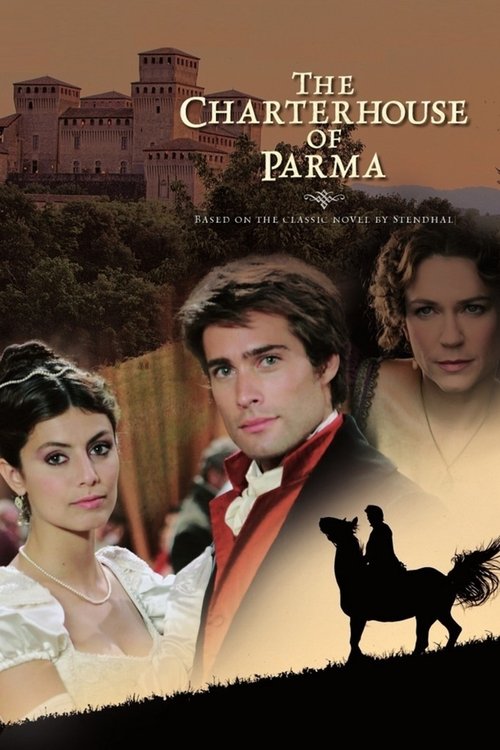
La Chartreuse de Parme 2012
Set in the opulent yet politically charged backdrop of 18th-century Parma, *La Chartreuse de Parme (2012)* weaves a sweeping drama of forbidden love and societal constraints.
Director: Cinzia TH Torrini
Cast







Frequently Asked Questions
What is La Chartreuse de Parme (2012) about?
This 2012 drama transports viewers to Parma's elite circles, where Fabrizio, a young noble destined for Napoleon's army, finds himself torn between duty and desire when he falls for Clelia, the daughter of a powerful local family. Their forbidden romance ignites a chain of events that challenges both their futures and the rigid social norms of their time.
Who directed La Chartreuse de Parme?
Cinzia TH Torrini directed *La Chartreuse de Parme (2012)*, bringing a visually sumptuous and emotionally layered approach to this classic tale.
Who stars in La Chartreuse de Parme?
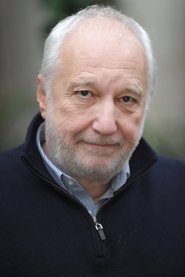
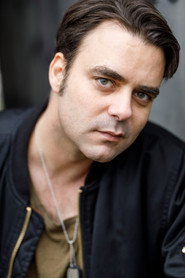
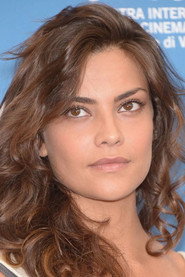
The film features François Berléand, Marie-Josée Croze, Enrico Beruschi, Rodrigo Guirao Díaz, and Hippolyte Girardot in key roles.
Is La Chartreuse de Parme (2012) worth watching?
With its sweeping period setting and emotionally charged narrative, *La Chartreuse de Parme* is a solid choice for fans of historical dramas. While IMDb ratings aren't available to confirm its reception, its themes of love and rebellion, combined with Torrini's direction, make it a compelling watch for those who enjoy richly layered storytelling.
How long is La Chartreuse de Parme?
The film runs for 200 minutes, offering a deep dive into its 18th-century drama.
About La Chartreuse de Parme (2012) — A Forbidden Love Story in 18th-Century Parma
Set in the opulent yet politically charged backdrop of 18th-century Parma, *La Chartreuse de Parme (2012)* weaves a sweeping drama of forbidden love and societal constraints. Directed by Cinzia TH Torrini, this lavish adaptation follows Fabrizio, a young nobleman caught between duty to Napoleon's army and the allure of passion, and Clelia, a radiant heiress ensnared in her family's rigid expectations. Their tender romance unfolds against a canvas of aristocratic intrigue, where ambition and tradition collide, making their bond both fragile and fiercely compelling.
Torrini's atmospheric direction bathes the story in rich visuals—feasting halls, shadowy corridors, and sunlit gardens—while the ensemble cast, led by François Berléand's commanding presence and Marie-Josée Croze's luminous portrayal, brings the era's high stakes to life. Themes of fate versus free will, and the cost of defying convention, linger long after the final frame, cementing this as a period drama with emotional depth and timeless resonance.