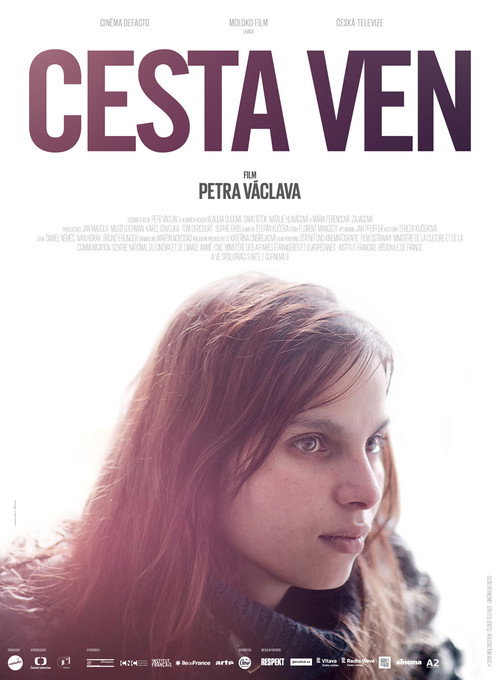
The Way Out 2014
"The society's prejudices, exclusion from opportunities to obtain legal work."
Petr Václav's raw 2014 drama The Way Out (2014) plunges viewers into the daily struggles of Zaneta and David, a young Romani couple raising little Janicka amid unrelenting societal barriers.
Director: Petr Václav
Cast




Frequently Asked Questions
What is The Way Out (2014) about?
The film follows Zaneta and David, a young Romani couple, as they battle systemic prejudice and economic barriers to build a stable life for their daughter. Their journey reveals the brutal realities of the "Romani social trap"—racism, limited job prospects, bureaucratic indifference, and crushing poverty.
Who directed The Way Out?
Petr Václav directed The Way Out, shaping its gritty, realist approach to social injustice.
Who stars in The Way Out?
The cast is led by Klaudia Dudová and David Ištok as Zaneta and David, joined by Mária Ferencová-Zajacová and supporting turns from Milan Cifra and Natálie Hlaváčová.
Is The Way Out (2014) worth watching?
With its grounded storytelling and powerful performances, The Way Out offers a sobering yet vital look at marginalization that resonates beyond its specific setting. Though not rated on IMDb, its themes and director's reputation make it compelling for fans of socially conscious drama.
How long is The Way Out?
The Way Out runs 103 minutes, delivering a tight, immersive experience.
About The Way Out (2014) — A raw drama about love, exclusion, and the fight for dignity
Petr Václav's raw 2014 drama The Way Out (2014) plunges viewers into the daily struggles of Zaneta and David, a young Romani couple raising little Janicka amid unrelenting societal barriers. Directed with unflinching realism, the film exposes the "Romani social trap": systemic racism, blocked access to legal jobs, suffocating bureaucratic hurdles, crushing debt, and the isolating weight of ethnic stereotypes. Everyday choices become life-or-death gambles as the family fights to carve out a dignified existence in landscapes of exclusion and dashed hope.
Shot on location, the movie envelops audiences in a stark atmosphere of muted tension, where cramped flats and grey offices mirror the emotional toll of perpetual rejection. With intimate performances from its lead trio, the film transforms personal hardship into a quietly devastating portrait of resilience against forces designed to keep marginalized communities at the margins.