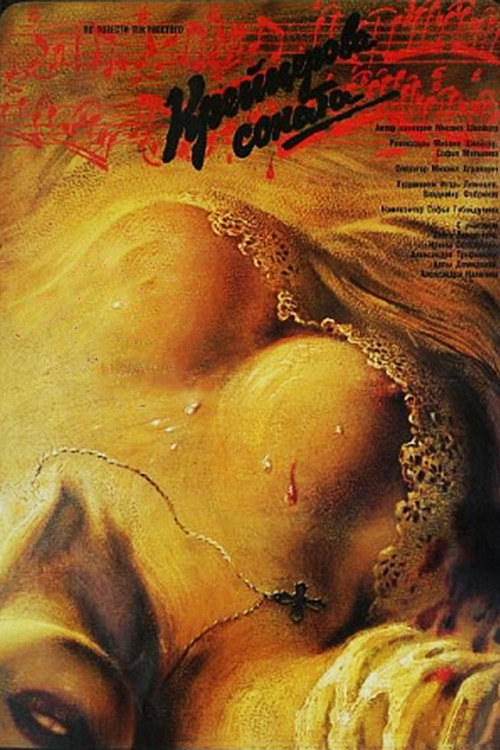
Kreutzer Sonata 1987
Discovered inside the intimate compartments of a late-night train, *Kreutzer Sonata (1987)* unfolds an intense psychological duel that pits love against the corrosive power of suspicion.
Director: Mikhail Shveitser
Cast
Frequently Asked Questions
What is Kreutzer Sonata (1987) about?
A riveting psychological drama unfolds aboard a train, as a man's simmering suspicions about his wife's fidelity explode into a brutal confrontation. Based on Leo Tolstoy's novel, the film probes the destructive force of jealousy and the fragile nature of trust in intimate relationships.
Who directed Kreutzer Sonata?
Mikhail Shveitser directed this 1987 adaptation, bringing a poetic yet intense visual style to Tolstoy's classic themes.
Who stars in Kreutzer Sonata?
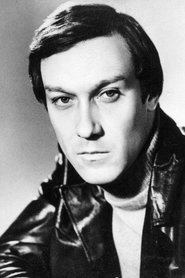
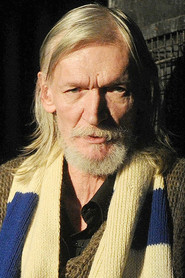
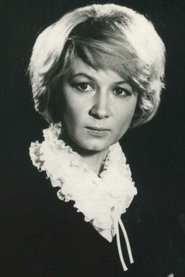
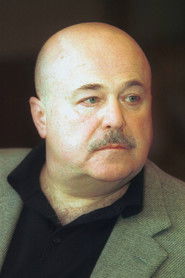
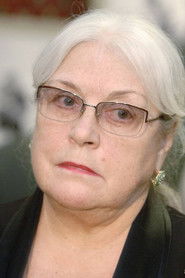
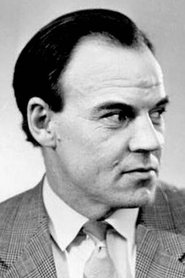
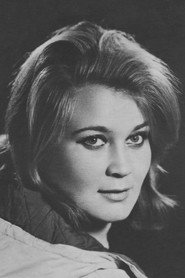
The cast includes Oleg Yankovskiy as the tormented lead, alongside Alla Demidova, Aleksandr Kalyagin, Irina Seleznyova, and Aleksandr Trofimov in pivotal roles.
Is Kreutzer Sonata (1987) worth watching?
If you appreciate slow-burn dramas rooted in psychological depth, *Kreutzer Sonata* delivers a compelling narrative with strong performances. Its exploration of jealousy and love's fragility offers both emotional payoff and food for thought.
How long is Kreutzer Sonata?
The film runs for 158 minutes.
About Kreutzer Sonata (1987) — A Haunting Train-Side Drama of Love and Betrayal
Discovered inside the intimate compartments of a late-night train, *Kreutzer Sonata (1987)* unfolds an intense psychological duel that pits love against the corrosive power of suspicion. Director Mikhail Shveitser adapts Leo Tolstoy's novella into a sweeping romance-drama, where the air crackles with unspoken questions and simmering resentment. Oleg Yankovskiy commands the screen as the tormented protagonist, while Alla Demidova lends haunting presence to the woman whose music becomes both solace and torment. With its lush visuals and emotionally charged score, this adaptation captures the novel's meditation on jealousy and the fragility of human bonds. The story lingers in the mind long after the final whistle blows.
Set against the confined spaces of a moving train, the narrative peels back layers of psychological complexity, asking whether passion can survive when trust erodes. Shveitser's direction infuses the period setting with timeless urgency, making *Kreutzer Sonata (1987)* a standout in 1980s cinema. Fans of Tolstoy's themes will appreciate how the film balances raw drama with poetic restraint, while casual viewers will be drawn into its atmospheric tension and resonant performances.