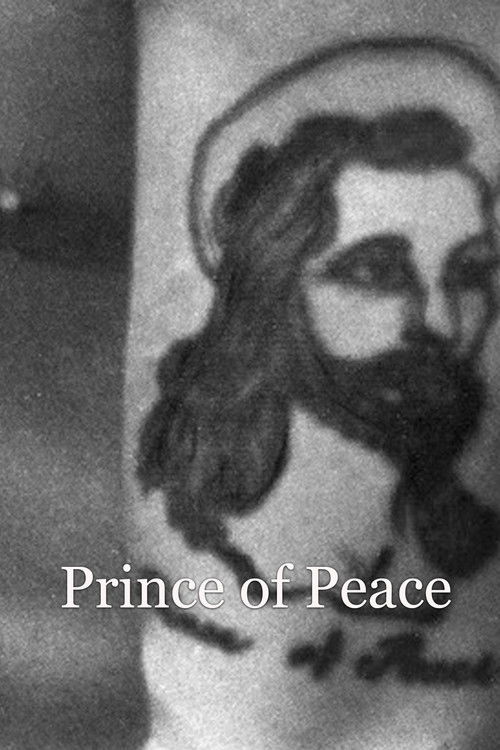
Prince of Peace 1993
Directed by Hans Scheugl, *Prince of Peace (1993)* is a stark, experimental drama that unfolds within the confines of a public restroom in Vienna.
Director: Hans Scheugl
Frequently Asked Questions
What is Prince of Peace (1993) about?
*Prince of Peace* (1993) is a short experimental drama set in a Vienna subway restroom, where anonymous men approach an opaque door in a hypnotic sequence. The film interweaves crude magazine imagery with queer symbolism, creating a provocative collision between spirituality and sexuality. Its rhythmic editing and eerie soundtrack amplify the tension.
Who directed Prince of Peace?
Director Hans Scheugl crafted this unsettling eight-minute film, blending avant-garde techniques with bold thematic choices.
Who stars in Prince of Peace?
Cast details are not listed for *Prince of Peace (1993)*.
Is Prince of Peace (1993) worth watching?
As an experimental short film with no IMDb rating, *Prince of Peace* appeals to fans of transgressive, thought-provoking cinema. Its brevity and audacity make it a niche pick, ideal for those intrigued by avant-garde visual storytelling.
How long is Prince of Peace?
*Prince of Peace* (1993) runs for 8 minutes.
Prince of Peace (1993): An Experimental Drama About Desire and Anonymity
Directed by Hans Scheugl, *Prince of Peace (1993)* is a stark, experimental drama that unfolds within the confines of a public restroom in Vienna. The film's rhythmic editing propels anonymous men toward an opaque glass door, their movements echoing a haunting cadence that feels both mechanical and introspective. Intercut with fragments from a pornographic magazine—featuring a tattooed Christ figure juxtaposed with homoerotic imagery—the short film blends sacrilege and sensuality under a dissonant brass score. Scheugl crafts an unsettling atmosphere where spirituality and sexuality collide, leaving viewers to question the boundaries between reverence and transgression.
Clocking in at just eight minutes, *Prince of Peace* is a provocative meditation on anonymity, desire, and the blurred lines between public and private spaces. Its minimalist approach and confrontational visuals make it a standout in avant-garde cinema, challenging audiences to confront their own discomfort while exploring themes of identity and taboo. The film's relentless pacing and symbolic imagery linger long after the credits roll, making it a cult curiosity for those drawn to experimental storytelling.