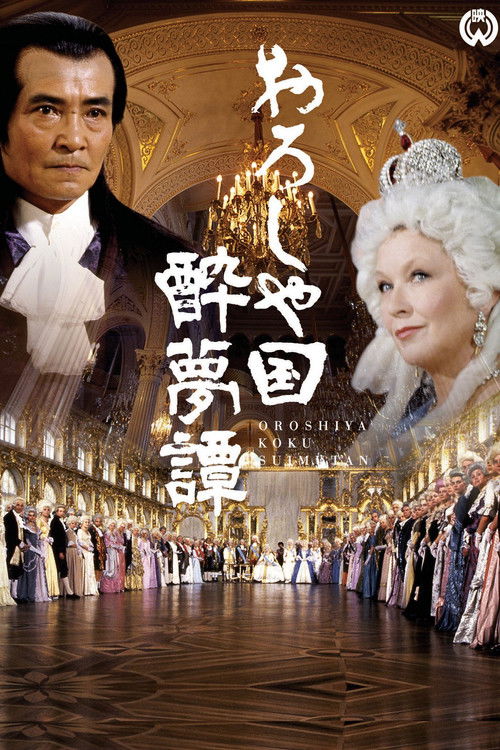
The Dream of Russia 1992
Directed by Junya Satō, The Dream of Russia (1992) follows the perilous journey of a shipwrecked Japanese expedition as they traverse Siberia to reach the court of Catherine the Great in Russia.
Director: Junya Satō
Cast

Frequently Asked Questions
What is The Dream of Russia (1992) about?
The film follows a Japanese expedition as they navigate Siberia to reach the court of Catherine the Great, highlighting the cultural clashes between East and West.
Who directed The Dream of Russia?
The film was directed by Junya Satō, a masterful storyteller known for his meticulous attention to detail.
Who stars in The Dream of Russia?
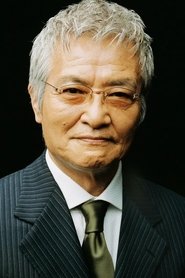
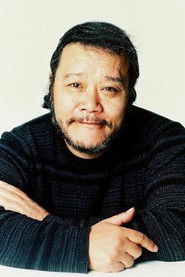
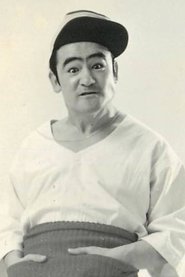
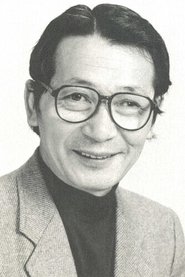
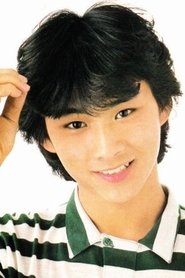
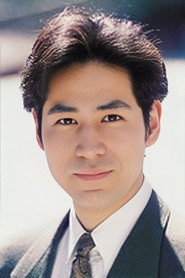
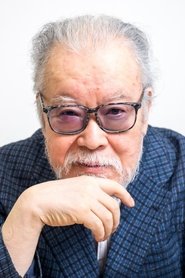
The cast features Ken Ogata, Toshiyuki Nishida, and Takuzō Kawatani, bringing a wealth of experience and talent to their roles.
Is The Dream of Russia (1992) worth watching?
While its limited release may have hindered its widespread appeal, The Dream of Russia is a captivating historical drama that explores the human side of a unique event in history.
How long is The Dream of Russia?
The film has a runtime of 123 minutes.
The Dream of Russia (1992) — An Epic Journey Through Siberia and Imperial Russia
Directed by Junya Satō, The Dream of Russia (1992) follows the perilous journey of a shipwrecked Japanese expedition as they traverse Siberia to reach the court of Catherine the Great in Russia. This epic adventure brings to life a unique event in history, showcasing the cultural clashes that arose between East and West.
With its sumptuous visuals and high production values, The Dream of Russia is a cinematic masterpiece that explores the human side of historical events. The film's cast, featuring Ken Ogata and Toshiyuki Nishida, brings depth and nuance to the story, making it an engaging watch for fans of drama and history.
This Russo-Japanese co-production was a hit at Cannes and other film festivals, but its scope and complexity may have limited its widespread appeal. Nevertheless, The Dream of Russia remains a fascinating historical drama that is worth exploring.