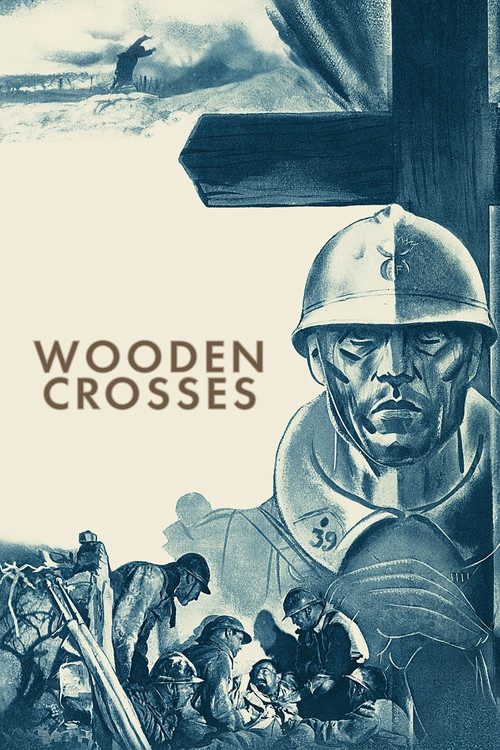
Wooden Crosses 1932
Step into the harrowing trenches of World War I with Raymond Bernard's gripping 1932 anti-war drama *Wooden Crosses*, a stark and unflinching portrayal of the human cost of conflict.
Director: Raymond Bernard
Cast






Frequently Asked Questions
What is Wooden Crosses (1932) about?
The film follows Demachy, a patriotic French student who enlists in 1914, only to face the brutal reality of trench warfare in Champagne. As the war drags on, his idealism fades against the relentless horror of battle, where rows of wooden crosses symbolize the mounting human cost.
Who directed Wooden Crosses?
Raymond Bernard directed *Wooden Crosses*, a film celebrated for its unflinching portrayal of World War I.
Who stars in Wooden Crosses?
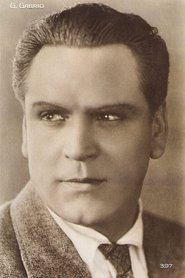
The film features standout performances from Pierre Blanchar, Gabriel Gabrio, Charles Vanel, Antonin Artaud, and Paul Azaïs.
Is Wooden Crosses (1932) worth watching?
If you appreciate war dramas that prioritize raw realism and emotional depth over glorified action, *Wooden Crosses* is a must-see. Its uncompromising vision of trench warfare makes it a powerful, if unsettling, experience that lingers long after the credits roll.
How long is Wooden Crosses?
The film has a runtime of 110 minutes.
About Wooden Crosses (1932) — A Bleak Masterpiece of World War I Trench Warfare
Step into the harrowing trenches of World War I with Raymond Bernard's gripping 1932 anti-war drama *Wooden Crosses*, a stark and unflinching portrayal of the human cost of conflict. The film follows Demachy, a passionate young student who enlists in the French army in 1914, only to be confronted with the brutal reality of trench warfare in Champagne. As the relentless artillery barrages and senseless casualties mount, Demachy and his comrades become mere figures in a nightmarish landscape, where rows of wooden crosses mark the graves of those sacrificed to the war machine.
This haunting masterpiece blends raw emotion with devastating authenticity, immersing viewers in the claustrophobic horror of the front lines. Bernard crafts a visceral experience that transcends mere historical recounting, instead delivering a timeless meditation on sacrifice, futility, and the erosion of idealism. With its unflinching realism and powerful performances, *Wooden Crosses (1932)* remains a defining work of the war genre, resonating with audiences who seek not just a story, but an unforgettable encounter with history's darkest chapters.