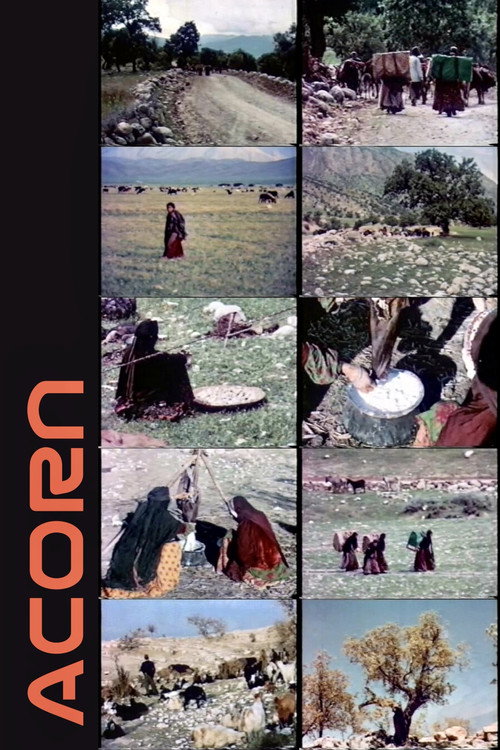
Acorn 1967
Acorn (1967) is a fascinating documentary that captures an ancient culinary tradition, following the meticulous process of transforming acorns into bread within the rhythms of nomadic tribal life.
Director: Nader Afshar Naderi
Frequently Asked Questions
What is Acorn (1967) about?
Acorn (1967) follows the traditional process of making bread from acorns, filmed by director Nader Afshar Naderi who spent a year documenting how this practice fits into the everyday lives of tribal nomads.
Who directed Acorn?
The documentary was directed by Nader Afshar Naderi, who brought his ethnographic filmmaking expertise to this intimate portrait of nomadic food traditions.
Who stars in Acorn?
The main cast details for Acorn (1967) are currently unknown, as the documentary focuses primarily on the cultural practice rather than individual performers.
Is Acorn (1967) worth watching?
For viewers interested in anthropology, food culture, or ethnographic documentaries, Acorn (1967) offers a unique window into traditional nomadic life. Its unrated status suggests it may be difficult to access, but the subject matter provides educational value for those curious about ancient survival techniques.
How long is Acorn?
Runtime details are not listed for this documentary film.
Acorn: A Year with Tribal Nomads — Full Documentary Details
Acorn (1967) is a fascinating documentary that captures an ancient culinary tradition, following the meticulous process of transforming acorns into bread within the rhythms of nomadic tribal life. Director Nader Afshar Naderi spent an entire year embedded with these communities, documenting not just the technical aspects of food preparation, but the deeper cultural significance that binds this practice to daily survival and tradition.
This contemplative film reveals how a simple nut becomes the foundation of sustenance for wandering peoples, showcasing rituals passed down through generations. The documentary offers intimate glimpses into a vanishing way of life, where every step of the acorn-to-bread transformation represents resilience and adaptation. Through careful observation, viewers witness the harmony between human ingenuity and nature's provisions, set against the backdrop of harsh landscapes and enduring traditions.
The film's meditative pace allows audiences to appreciate both the artistry of traditional food-making and the broader themes of sustenance, community, and the delicate balance between humanity and the natural world. Acorn (1967) stands as a valuable ethnographic record, preserving knowledge that might otherwise be lost to modernization.