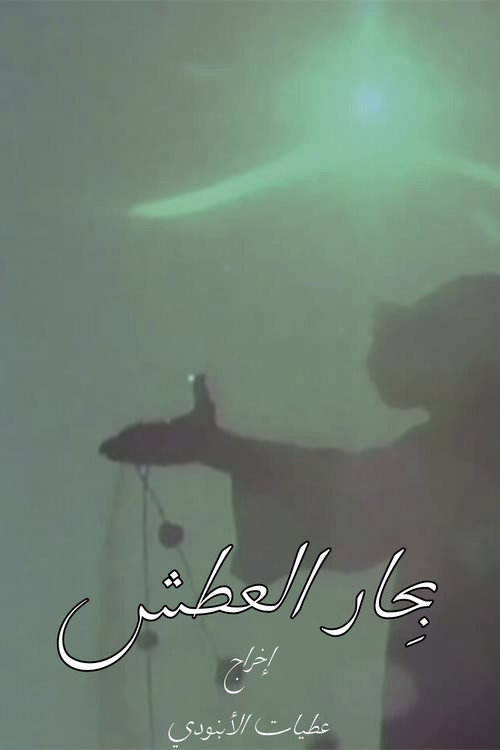
Seas of Thirst 1981
Dive into the stark beauty and hardship of Egypt's northern coast with *Seas of Thirst (1981)*, Egyptian filmmaker Atteyat El-Abnoudy's gripping documentary.
Director: Atteyat El-Abnoudy
Frequently Asked Questions
What is *Seas of Thirst (1981)* about?
This documentary follows the struggles of communities living near Egypt's salty lakes of El Borrolos during a severe drought. Through intimate storytelling and stunning visuals, it captures the harsh realities and resilience of people facing extreme environmental challenges.
Who directed *Seas of Thirst*?
The film was directed by Atteyat El-Abnoudy, a pioneering Egyptian filmmaker known for her powerful documentaries that spotlight marginalized communities and social issues.
Who stars in *Seas of Thirst*?
Director information is not available.
Is *Seas of Thirst (1981)* worth watching?
*Seas of Thirst* is a compelling watch for documentary enthusiasts and those interested in social and environmental themes. Though unrated, its raw authenticity and El-Abnoudy's distinctive perspective make it a standout film in the genre, offering a rare glimpse into a world few have seen.
How long is *Seas of Thirst*?
The film runs for 44 minutes.
About Seas of Thirst (1981) — A Haunting Documentary of Survival on Egypt's Salty Shores
Dive into the stark beauty and hardship of Egypt's northern coast with *Seas of Thirst (1981)*, Egyptian filmmaker Atteyat El-Abnoudy's gripping documentary. Set against the backdrop of the salty lakes of El Borrolos during a crippling drought, this 44-minute film captures the resilience of communities on the edge of survival. Through El-Abnoudy's lens, the documentary paints a vivid portrait of life in a landscape defined by scarcity, where the land's harshness mirrors human endurance. The film blends raw natural imagery with intimate storytelling, immersing viewers in a world where water is both a lifeline and a curse.
*Seas of Thirst* is more than a visual record—it's a poignant exploration of human tenacity in the face of environmental adversity. El-Abnoudy's documentary work often focuses on marginalized communities, and this film is no exception, offering a window into a way of life rarely seen on screen. With themes of survival, adaptation, and the unyielding power of nature, the documentary resonates with anyone drawn to stories of resilience and the unbreakable spirit of those who call such places home.