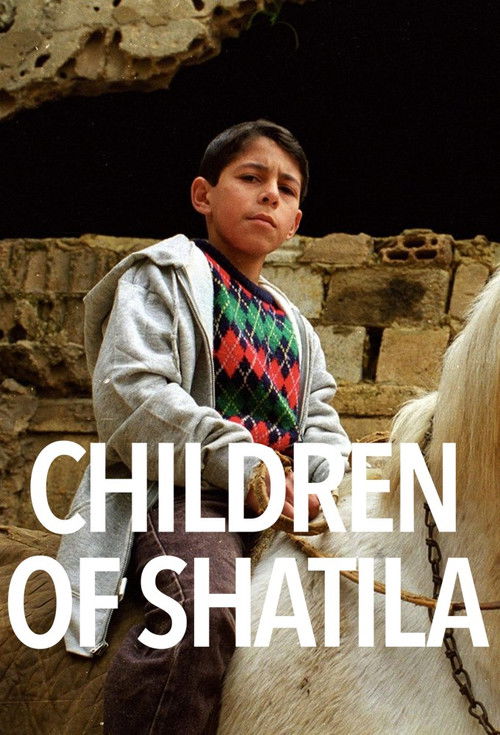
Children of Shatila 1998
Directed by Mai Masri, *Children of Shatila (1998)* offers a raw and poignant look into one of Beirut's most infamous refugee camps, Shatila, where generations of Palestinians and Lebanese have grappled with displacement and hardship.
Director: Mai Masri
Frequently Asked Questions
What is Children of Shatila (1998) about?
*Children of Shatila (1998)* explores life in one of Beirut's most notorious refugee camps, nearly two decades after the 1982 massacre that shocked the world. The film follows the young residents of Shatila as they confront the legacy of displacement, poverty, and conflict, while searching for purpose in a place where hope feels scarce.
Who directed Children of Shatila?
The documentary was directed by Mai Masri, a filmmaker known for her powerful storytelling centered on Palestinian and Lebanese communities.
Who stars in Children of Shatila?
Director information is not available.
Is Children of Shatila (1998) worth watching?
*Children of Shatila (1998)* is a raw and emotionally resonant documentary that sheds light on a community often overlooked. While it may not have a widely publicized IMDb rating, its themes of resilience and displacement offer a deeply human perspective on a tragic chapter of history.
How long is Children of Shatila?
The runtime of *Children of Shatila (1998)* is 50 minutes.
About Children of Shatila (1998) — A moving documentary on Palestinian refugee life and resilience in Beirut
Directed by Mai Masri, *Children of Shatila (1998)* offers a raw and poignant look into one of Beirut's most infamous refugee camps, Shatila, where generations of Palestinians and Lebanese have grappled with displacement and hardship. Nearly two decades after the devastating Sabra-Shatila massacre of 1982, the camp remains a stark symbol of forgotten lives—home to 15,000 residents crammed into dense, impoverished quarters. Through intimate storytelling, the documentary captures the resilience and dreams of the camp's youth, who carry the weight of their grandparents' exile while navigating a world of unemployment and scarcity. Masri's lens reveals not just the harsh realities of life in the camp but also the flickering hope that persists among its children, who refuse to let their stories fade into obscurity.
Shot in the heart of Lebanon's "belt of misery," this 50-minute documentary blends historical gravity with human resilience, immersing viewers in the daily struggles and quiet triumphs of those who call Shatila home. The film transcends typical war narratives, focusing instead on the personal journeys of its young protagonists as they carve out identities in a landscape scarred by conflict. With its unflinching yet compassionate approach, *Children of Shatila (1998)* is more than a historical record—it's a testament to the enduring spirit of a community fighting to be seen and heard.