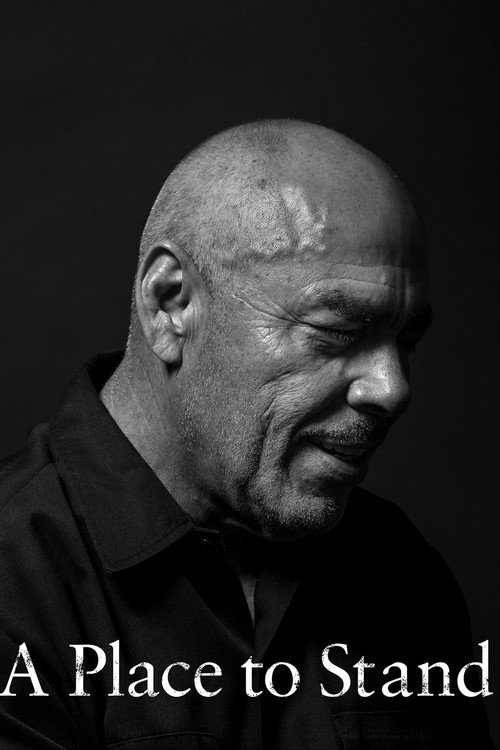
A Place to Stand 2015
A Place to Stand (2015) is a powerful documentary that immerses viewers in the transformative journey of Jimmy Santiago Baca, a former petty thief and drug dealer sentenced to five years in Arizona State Prison.
Director: Daniel Glick
Frequently Asked Questions
What is A Place to Stand (2015) about?
This documentary chronicles the extraordinary transformation of Jimmy Santiago Baca, who turns his life around while serving time in a dangerous prison. Through poetry and self-education, he finds purpose and a new identity behind bars.
Who directed A Place to Stand?
Daniel Glick directed A Place to Stand (2015), crafting a visually striking and emotionally resonant portrait of Baca's journey.
Who stars in A Place to Stand?
The film features Jimmy Santiago Baca as the central figure, with additional appearances by fellow inmates and prison staff who witnessed his transformation.
Is A Place to Stand (2015) worth watching?
Absolutely—this documentary is a gripping testament to the human spirit's capacity for change. Its honesty and emotional depth make it a must-watch for fans of inspirational true stories, even without an IMDb rating.
How long is A Place to Stand?
A Place to Stand has a runtime of 86 minutes.
About A Place to Stand (2015) — How a prisoner's words became his salvation
A Place to Stand (2015) is a powerful documentary that immerses viewers in the transformative journey of Jimmy Santiago Baca, a former petty thief and drug dealer sentenced to five years in Arizona State Prison. Directed by Daniel Glick, the film captures Baca's harrowing yet inspiring evolution from a violent and illiterate inmate to a celebrated poet. Through raw footage and intimate storytelling, the movie explores themes of redemption, self-discovery, and the healing power of art, all set against the backdrop of one of America's most notorious prisons.
The documentary's atmosphere is both gritty and hopeful, blending stark prison realities with Baca's lyrical voice, which emerges as his lifeline. Glick's film doesn't just recount Baca's past—it showcases how literature and creativity can break chains, offering a message of resilience that resonates far beyond the prison walls.