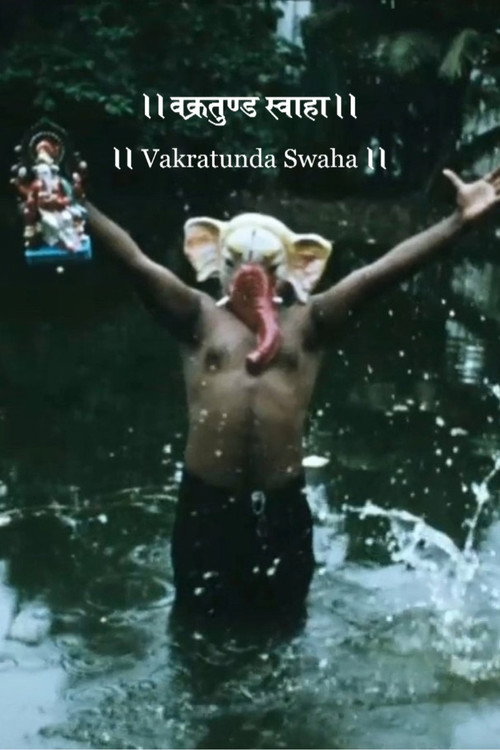
Vakratunda Swaha 2010
Vakratunda Swaha (2010) is a hauntingly meditative short film that began as a fragment of memory and evolved into a cinematic elegy.
Director: Ashish Avikunthak
Cast

Frequently Asked Questions
What is Vakratunda Swaha (2010) about?
This short film blends memory and loss by revisiting a 1997 ritual where an artist submerged a Ganesh idol at Mumbai's Chowpati Beach. A year later, the artist died by suicide, and director Ashish Avikunthak turned the footage into a poetic exploration of grief and the meaning of death.
Who directed Vakratunda Swaha?
Ashish Avikunthak directed this deeply personal film, weaving found footage with new material over a span of twelve years.
Who stars in Vakratunda Swaha?
The film features Girish Dahiwale, Debu Pramanik, Ashish Avikunthak, Swapan Pramanik, and Radhika Apte in key roles.
Is Vakratunda Swaha (2010) worth watching?
At just 21 minutes, this is a niche but powerful viewing experience for fans of arthouse cinema. Its existential themes and stark visuals make it a compelling watch, even if it's not for everyone. The IMDb rating, while unrated, hints at its cult appeal among those who appreciate meditative storytelling.
How long is Vakratunda Swaha?
The film has a runtime of 21 minutes.
About Vakratunda Swaha (2010) — A 21-minute cinematic requiem for a lost artist
Vakratunda Swaha (2010) is a hauntingly meditative short film that began as a fragment of memory and evolved into a cinematic elegy. Director Ashish Avikunthak revisits a 1997 moment when artist Girish Dahiwale submerged a Ganesh idol at Mumbai's Chowpati Beach during the festival's final day. Just a year later, Dahiwale took his own life, leaving Avikunthak to confront loss and legacy through celluloid. Twelve years in the making, the film stitches together archival footage with new material, transforming a personal tribute into a philosophical meditation on death, time, and the ephemerality of existence.
Captured in stark, contemplative visuals, the 21-minute runtime unfolds like a ritual—slow, deliberate, and deeply atmospheric. The themes resonate beyond the personal, touching on the cyclical nature of life and the way memory lingers in objects and spaces. With a minimalist approach, Avikunthak crafts a work that's as much about the absence of words as it is about the weight of what's left unsaid.