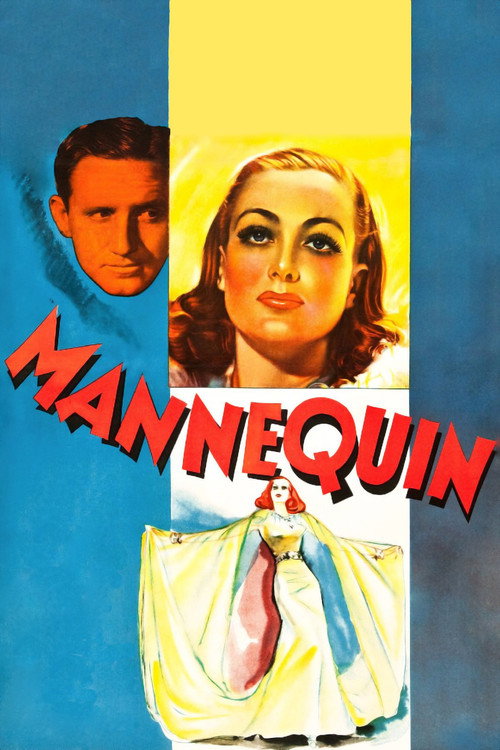
Mannequin 1938
"The Romance of a Shopgirl's Millions"
Frank Borzage's *Mannequin (1938)* weaves a poignant tale of ambition and disillusionment set against the gritty backdrop of 1930s New York.
Director: Frank Borzage
Cast




Frequently Asked Questions
What is Mannequin (1938) about?
Jessie, a working-class shopgirl, hopes to escape her modest life by marrying her boyfriend, only to realize he shares the same flaws as her past. The film follows her emotional journey as she navigates love, ambition, and self-discovery in 1930s New York.
Who directed Mannequin?
Frank Borzage, known for his emotionally rich dramas like *7th Heaven* and *Bad Girl*, directed *Mannequin*.
Who stars in Mannequin?
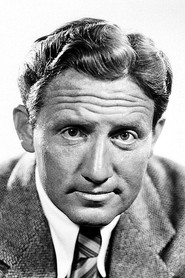
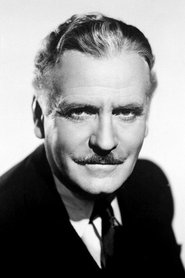
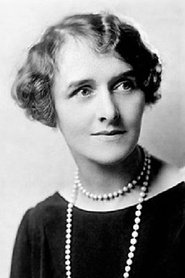
Joan Crawford stars as Jessie, with Spencer Tracy, Alan Curtis, Ralph Morgan, and Mary Philips rounding out the lead cast.
Is Mannequin (1938) worth watching?
If you enjoy classic romances with depth and strong performances, *Mannequin* is worth your time. Crawford and Tracy's chemistry elevates the story, making it a memorable watch for fans of 1930s drama.
How long is Mannequin?
The film runs for 95 minutes.
About Mannequin (1938) — A 1930s Romance of Ambition and Heartbreak
Frank Borzage's *Mannequin (1938)* weaves a poignant tale of ambition and disillusionment set against the gritty backdrop of 1930s New York. The story follows Jessie, a determined shopgirl who dreams of escaping her modest life by marrying her sweetheart, only to discover the harsh truth about his character and her own misplaced hopes. With Joan Crawford delivering a standout performance as the idealistic Jessie and Spencer Tracy as the cynical love interest, the film blends romance and drama to explore the gap between aspirations and reality. The moody atmosphere of city streets and dimly lit apartments mirrors Jessie's emotional journey, making *Mannequin (1938)* a compelling snapshot of resilience and heartbreak.
Crawford's Jessie is a character torn between love and self-respect, while Tracy's portrayal adds layers of complexity to the narrative. The film's themes of class disparity and personal growth resonate just as strongly today, offering a timeless reflection on what it means to chase happiness. Borzage's direction infuses the story with a mix of warmth and melancholy, capturing the bittersweet essence of dreams deferred.