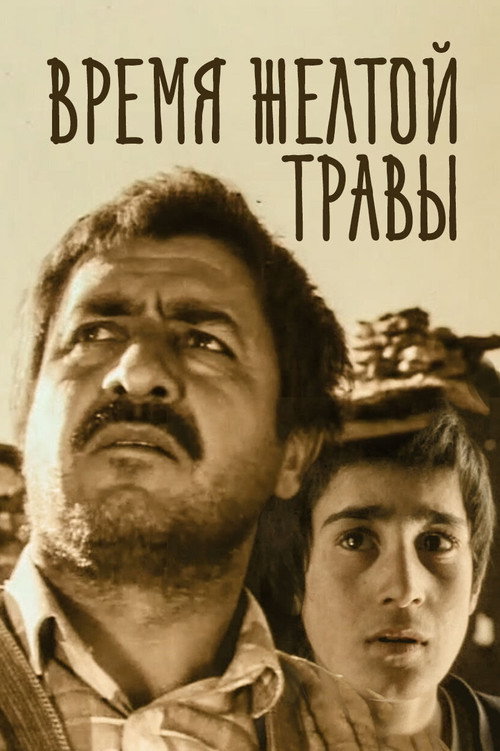
The Time of Yellow Grass 1991
In the rugged, sun-baked highlands of Tajikistan, a quiet village is shaken when shepherds stumble upon an unidentified corpse.
Director: Mairam Yusupova
Cast
Frequently Asked Questions
What is The Time of Yellow Grass (1991) about?
A remote Tajik village discovers an unidentified body, sparking a moral dilemma when they learn the deceased was not Muslim. The community must decide how to respond to this outsider's presence, even after death.
Who directed The Time of Yellow Grass?
The film was directed by Mairam Yusupova, a filmmaker known for her evocative storytelling rooted in Central Asian life and culture.
Who stars in The Time of Yellow Grass?
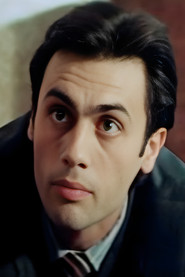
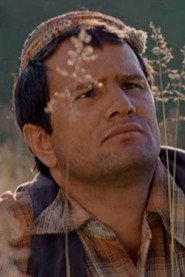
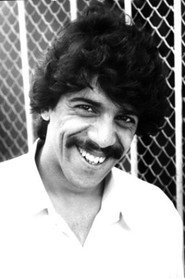
The cast features Roland Ter-Makaroff, Sherali Abdulkajsov, and Samad Akhmedov, among others, bringing depth to the village's emotional and moral dilemmas.
Is The Time of Yellow Grass (1991) worth watching?
Though unrated on IMDb, *The Time of Yellow Grass* offers a compelling, atmospheric drama about tradition and tolerance that resonates beyond its 64-minute runtime. Fans of slow-burn character studies and moral dilemmas will find it thought-provoking.
How long is The Time of Yellow Grass?
The film runs for 64 minutes.
About The Time of Yellow Grass (1991) — A Mountain Village Confronts an Unwanted Truth
In the rugged, sun-baked highlands of Tajikistan, a quiet village is shaken when shepherds stumble upon an unidentified corpse. The discovery unravels a tense confrontation with tradition, faith, and human compassion as the villagers grapple with the stranger's unfamiliar identity—he is neither Muslim nor from their land. Mairam Yusupova's *The Time of Yellow Grass (1991)* weaves a stark, atmospheric drama that explores otherness and collective morality in a deeply insular community.
Against the stark backdrop of mountain silence, the film unfolds as a moral reckoning, where fear lingers like the late afternoon light. Roland Ter-Makaroff leads a cast steeped in authenticity, guiding viewers through a story that questions what it means to honor the dead when their presence defies local beliefs. This 64-minute drama is a quiet storm of questions, leaving audiences to ponder the boundaries between faith, duty, and shared humanity.