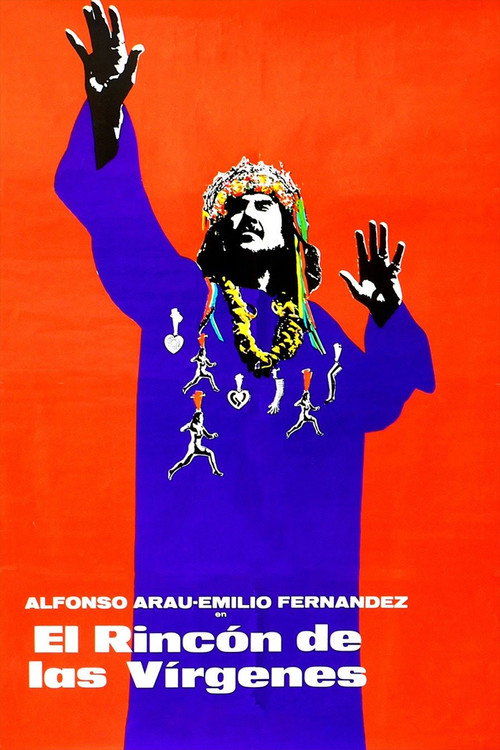
Nest of Virgins 1972
In the sun-baked landscapes of 1920s Jalisco, a charismatic but controversial faith-healer begins to weave a spell over a community desperate for miracles.
Director: Alberto Isaac
Cast






Frequently Asked Questions
What is *Nest of Virgins* (1972) about?
*Nest of Virgins* follows a self-proclaimed faith-healer in 1920s Jalisco whose healing sessions draw a devoted following, but his methods soon blur the line between salvation and manipulation. As the community's trust deepens, so do the cracks in his facade, revealing a story about belief, power, and the cost of blind faith.
Who directed *Nest of Virgins*?
The film was directed by Alberto Isaac, a Mexican filmmaker known for blending social commentary with vivid character studies.
Who stars in *Nest of Virgins*?
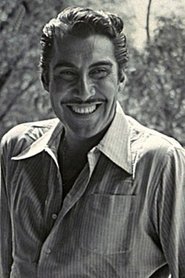
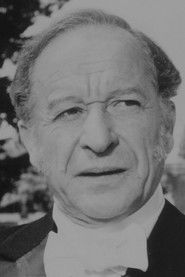
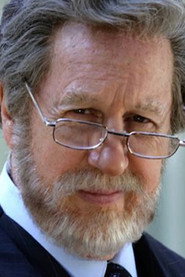
The film features a standout cast led by Emilio Fernández, alongside Alfonso Arau, Rosalba Brambila, Carmen Salinas, and Lilia Prado.
Is *Nest of Virgins* (1972) worth watching?
While lacking an official rating, *Nest of Virgins* offers a compelling snapshot of Mexican cinema from the 1970s, blending comedy, drama, and social critique. Fans of character-driven tales with a historical edge may find its blend of humor and pathos intriguing, even if it's not a household name.
How long is *Nest of Virgins*?
The film runs for 98 minutes.
About Nest of Virgins (1972) — A Faith-Healer's Cult in 1920s Mexico
In the sun-baked landscapes of 1920s Jalisco, a charismatic but controversial faith-healer begins to weave a spell over a community desperate for miracles.
Alberto Isaac's *Nest of Virgins* (1972) drifts between sharp social satire and poignant drama, exploring how blind faith can transform into something darker when charisma outpaces reality. With Emilio Fernández leading the cast, the film balances rough-hewn humor against the quiet desperation of a town caught between tradition and exploitation. The atmosphere crackles with the tension of a community suspended between devotion and disillusionment, all framed by Mexico's rich visual storytelling tradition.