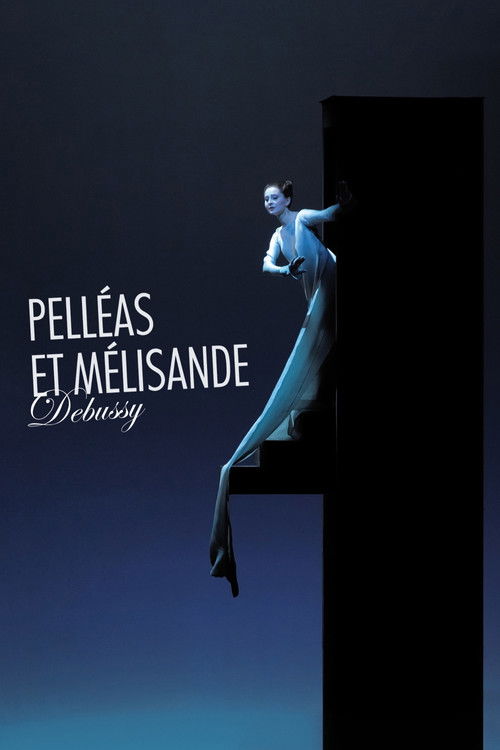
Debussy: Pelléas et Mélisande 2012
Step into the hauntingly beautiful world of Debussy's operatic masterpiece, *Debussy: Pelléas et Mélisande (2012)*, as brought to life by visionary director Robert Wilson.
Director: Robert Wilson
Cast



Frequently Asked Questions
What is Debussy: Pelléas et Mélisande (2012) about?
This 2012 adaptation of Debussy's opera tells the story of Prince Golaud's impulsive marriage to the mysterious Mélisande. Their relationship takes a dark turn when Golaud's brother, Pelléas, becomes entangled in a web of love and betrayal. The opera explores themes of fate, desire, and the secrets that lurk beneath the surface.
Who directed Debussy: Pelléas et Mélisande?
The film was directed by Robert Wilson, a renowned artist known for his avant-garde and visually striking productions.
Who stars in Debussy: Pelléas et Mélisande?
The cast features Stéphane Degout as Pelléas, Vincent Le Texier as Golaud, Elena Tsallagova as Mélisande, and Anne Sofie von Otter as Geneviève.
Is Debussy: Pelléas et Mélisande (2012) worth watching?
While it's an unrated film, this operatic adaptation shines with its stellar cast and Robert Wilson's direction. Fans of classical music and atmospheric storytelling will find much to appreciate in its slow-burning intensity and emotional depth.
How long is Debussy: Pelléas et Mélisande?
The film has a runtime of 162 minutes.
About Debussy: Pelléas et Mélisande (2012) — Robert Wilson's Mesmerizing Operatic Masterpiece
Step into the hauntingly beautiful world of Debussy's operatic masterpiece, *Debussy: Pelléas et Mélisande (2012)*, as brought to life by visionary director Robert Wilson. This mesmerizing production, led by conductor Philippe Jordan and the Paris Opera, weaves a tale of love, mystery, and fate. When Prince Golaud stumbles upon the enigmatic Mélisande, he marries her without a second thought—only to later discover an unexpected connection between her and his brother, Pelléas. Wilson's striking staging and Debussy's lush score create an atmosphere of dreamlike tension, where every glance and silence feels charged with meaning.
The opera unfolds like a dark fairy tale, blending poignant romance with psychological depth. Mélisande's ethereal presence and the brooding emotions of the characters draw audiences into a hypnotic narrative. With its slow-burning intensity and evocative music, this adaptation is a must-see for opera enthusiasts and newcomers alike, offering a rare glimpse into the interplay of artistry and emotion that defines Debussy's legacy.