
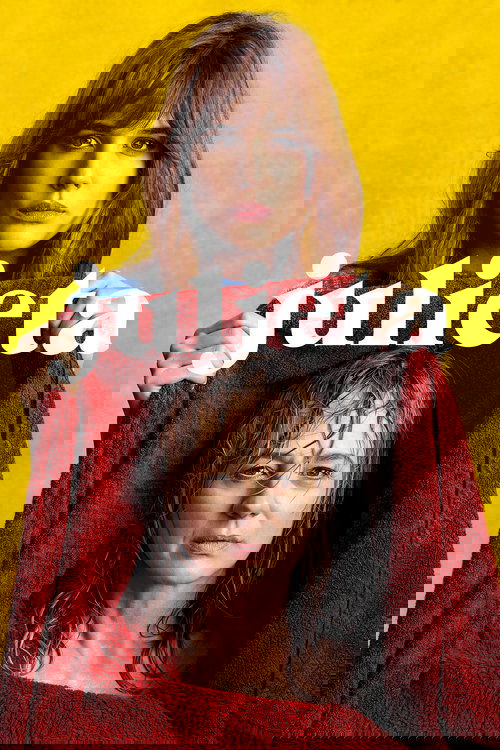
Julieta 2016
Pedro Almodóvar's *Julieta (2016)* unfolds like a haunting echo across three decades, tracing a woman's journey from the sunlit promise of 1985 to the shadowed isolation of 2015.
Director: Pedro Almodóvar
Cast

Emma Suárez
Julieta Arcos

Adriana Ugarte
Julieta Arcos (young)

Daniel Grao
Xoan Feijóo

Inma Cuesta
Ava

Darío Grandinetti
Lorenzo

Michelle Jenner
Beatriz

Pilar Castro
Claudia (Beatriz's Mother)

Nathalie Poza
Juana

Susi Sánchez
Sara (Julieta's Mother)

Joaquín Notario
Samuel (Julieta's Father)
Frequently Asked Questions
What is Julieta (2016) about?
*Julieta* follows a woman whose life shifts from hope to despair over 30 years, as undisclosed secrets and personal tragedies reshape her existence. The film dives into the fragility of human connections and the inescapable pull of memory.
Who directed Julieta?
*Julieta* was directed by the visionary Pedro Almodóvar, known for his bold narrative style and exploration of human emotions in Spanish cinema.
Who stars in Julieta?
The film stars Emma Suárez and Adriana Ugarte as Julieta alongside Daniel Grao, Inma Cuesta, and Darío Grandinetti in pivotal roles.
Is Julieta (2016) worth watching?
With its gripping drama and Almodóvar's distinctive flair, *Julieta* is a compelling watch for fans of emotional storytelling. Its themes of loss and redemption make it resonate deeply, even if it leans into melancholy.
How long is Julieta?
*Julieta* runs for 98 minutes.
🎥 Trailer
About Julieta (2016) — A Masterpiece of Regret, Passion, and Time
Pedro Almodóvar's *Julieta (2016)* unfolds like a haunting echo across three decades, tracing a woman's journey from the sunlit promise of 1985 to the shadowed isolation of 2015. The film blends raw drama and deep romance as it explores the quiet unraveling of a life torn apart by secrets, grief, and the ghosts of the past. With stunning visuals and emotional intensity, Almodóvar crafts a story that lingers like an unsolved mystery, where every glance and whispered word carries the weight of what's left unsaid.
Starring Emma Suárez and Adriana Ugarte in a dual role that bridges youth and age, *Julieta* is a meditation on regret and resilience, set against the backdrop of Almodóvar's signature storytelling. The atmosphere is one of melancholic beauty, where passion and pain intertwine, leaving viewers to question whether closure is ever truly possible.