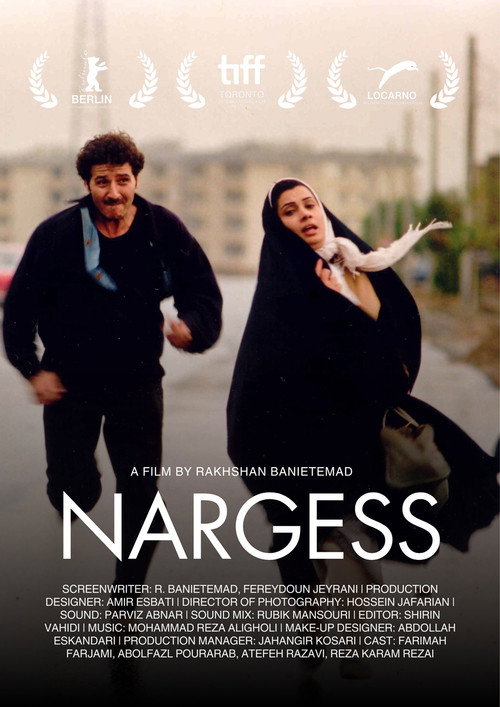
Nargess 1992
Nargess (1992) is a compelling Iranian drama that offers a raw examination of individuals navigating life beyond the rigid boundaries of religious doctrine.
Director: Rakhshan Banietemad
Cast




Frequently Asked Questions
What is Nargess (1992) about?
Nargess follows the lives of individuals who exist outside mainstream society's expectations, exploring their struggles with love, identity, and freedom in a restrictive cultural environment. The film examines how these characters navigate relationships and personal choices that challenge established religious and social conventions.
Who directed Nargess?
Rakhshan Banietemad directed Nargess, bringing her signature style of socially conscious filmmaking to this exploration of marginalized lives in Iranian society.
Who stars in Nargess?
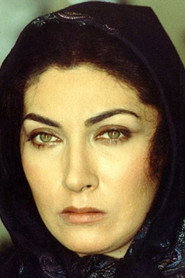
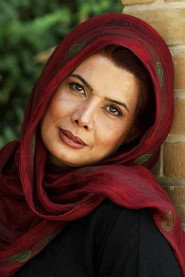
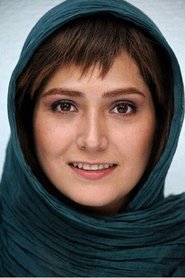
The film features performances from Farimah Farjami, Atefeh Razavi, Abolfazl Pourarab, and includes Baran Kosari among its ensemble cast.
Is Nargess (1992) worth watching?
Given its unrated status and the critical acclaim typically associated with Banietemad's work, Nargess offers valuable insight into Iranian cinema and social dynamics. The drama's exploration of universal themes like freedom and love makes it compelling viewing for fans of international cinema.
How long is Nargess?
Nargess has a runtime of 100 minutes.
Nargess (1992): Forbidden Love Beyond Religious Boundaries
Nargess (1992) is a compelling Iranian drama that offers a raw examination of individuals navigating life beyond the rigid boundaries of religious doctrine. Directed by the acclaimed Rakhshan Banietemad, this film presents an unflinching portrait of societal outcasts who challenge conventional moral frameworks. The story weaves together elements of romance and social commentary, creating a narrative that feels both intimate and politically charged.
Set against the backdrop of contemporary Iranian society, Nargess explores themes of forbidden love, personal freedom, and the consequences of living outside prescribed social norms. The film's atmosphere is tense yet poetic, capturing the emotional complexity of characters caught between tradition and personal desire. With powerful performances from Farimah Farjami and Atefeh Razavi, the movie delves into the human cost of rebellion and the search for authentic connection in a restrictive environment.
This 1992 drama remains relevant for its bold storytelling and Banietemad's distinctive directorial voice. The film's exploration of women's agency and social marginalization resonates with universal themes while maintaining its distinctly Iranian perspective.