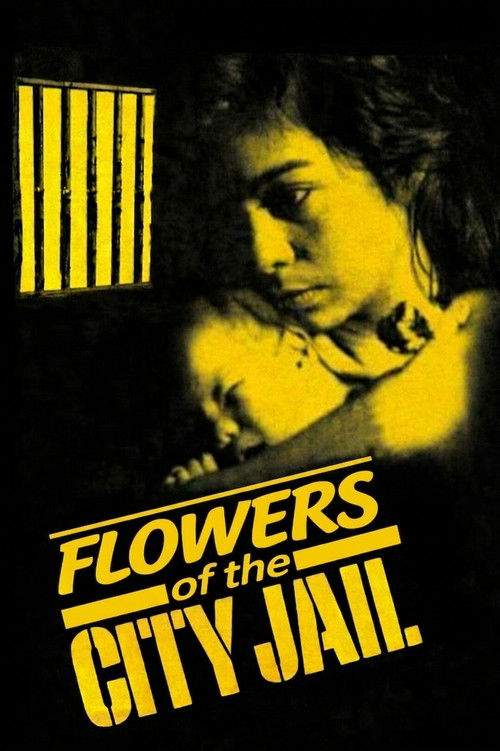
Flowers of the City Jail 1984
"This day a mother will fight her bravest battle."
Directed by Mario O'Hara, *Flowers of the City Jail (1984)* plunges into the raw, unflinching reality of Manila City Jail through the eyes of a young mother arrested for frustrated murder while pregnant.
Director: Mario O'Hara
Cast









Frequently Asked Questions
What is Flowers of the City Jail (1984) about?
The film follows a pregnant woman sent to Manila City Jail after being arrested for frustrated murder, where she crosses paths with inmates whose lives are marked by hardship and secrets. Inside the facility, she confronts her own limits and the harsh realities of survival behind bars.
Who directed Flowers of the City Jail?
Mario O'Hara directed this emotionally charged drama, known for his ability to blend realism with deeply human storytelling.
Who stars in Flowers of the City Jail?
The film features a powerhouse cast led by Nora Aunor, Gina Alajar, Celia Rodriguez, Perla Bautista, and Mitch Valdez.
Is Flowers of the City Jail (1984) worth watching?
With its unflinching portrayal of resilience and raw drama, *Flowers of the City Jail* offers a compelling watch for fans of gritty character studies. Though not rated on IMDb, its themes and atmosphere make it a standout in the crime-drama genre.
How long is Flowers of the City Jail?
The film runs for 110 minutes.
🎥 Trailer
About Flowers of the City Jail (1984) — A gritty jailhouse drama about motherhood under siege
Directed by Mario O'Hara, *Flowers of the City Jail (1984)* plunges into the raw, unflinching reality of Manila City Jail through the eyes of a young mother arrested for frustrated murder while pregnant. Behind its grim bars, she encounters a spectrum of women—each bearing scars from a past that refuses to fade—where survival and justice are as fragile as the blossoms in the title. The film weaves a tapestry of resilience, maternal instinct, and the brutal cost of societal neglect, capturing a world where every choice is a fight for dignity.
Against the claustrophobic walls of the jailhouse, the story unfolds like a fever dream of contrasting fates: from the hardened to the haunted, each character's past collides with the present in a story that's equal parts heartbreaking and defiant. O'Hara's direction lends an unsettling intimacy to the drama, grounding the narrative in the grittiness of real-life struggles while exploring themes of redemption and the lengths people go to protect what little they have left.