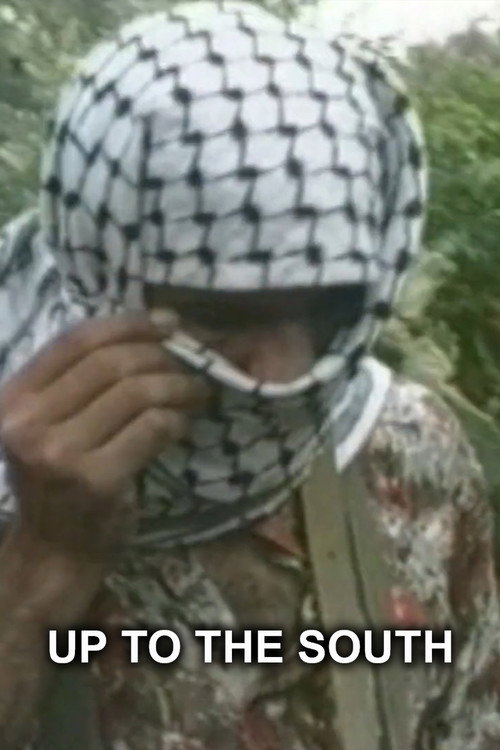
Up to the South 1993
Jayce Salloum's *Up to the South (1993)* immerses viewers in post-conflict Lebanon, where the camera traces the social and political fractures shaping the southern region.
Director: Jayce Salloum
Frequently Asked Questions
What is Up to the South (1993) about?
*Up to the South* explores the political and social conditions in southern Lebanon during the early 1990s, examining the narratives surrounding occupation, resistance, and collaboration. The film avoids easy answers, instead presenting a nuanced portrait of a region rebuilding amid lingering tensions.
Who directed Up to the South?
The documentary was directed by Jayce Salloum, a filmmaker known for his thought-provoking explorations of post-conflict societies.
Who stars in Up to the South?
Cast details for *Up to the South (1993)* are not listed.
Is Up to the South (1993) worth watching?
As a short but dense documentary, *Up to the South* offers a compelling and often overlooked perspective on Lebanon's struggles. While it may not have mainstream appeal, its thematic depth and historical relevance make it a rewarding watch for those interested in political cinema.
How long is Up to the South?
The documentary runs for 60 minutes.
Up to the South (1993): A Journey Through Lebanon's Post-Conflict Heartland
Jayce Salloum's *Up to the South (1993)* immerses viewers in post-conflict Lebanon, where the camera traces the social and political fractures shaping the southern region. Through candid discussions and stark landscapes, the documentary dissects the narratives surrounding occupation, resistance, and collaboration, challenging both Western portrayals and local perspectives. The film's probing lens avoids simplistic conclusions, instead highlighting the complexities of a land scarred by history yet resilient in its identity.
With a runtime of just 60 minutes, *Up to the South* packs a reflective punch, weaving together voices rarely heard in mainstream media. Salloum's approach eschews sensationalism, favoring quiet moments of introspection that reveal the human cost of geopolitical struggles. The result is a quietly powerful meditation on memory, justice, and the stories we tell about conflict.