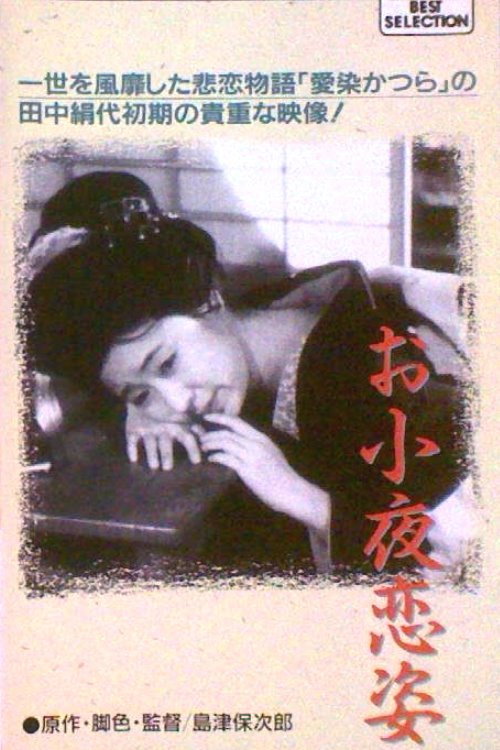
Osayo Koi Sugata 1934
In Yasujirō Shimazu's 1934 drama *Osayo Koi Sugata*, a struggling novelist Yamamoto pours his heart and headband into crafting a novel while relying on the quiet support of Saya, his devoted model.
Director: Yasujirō Shimazu
Cast
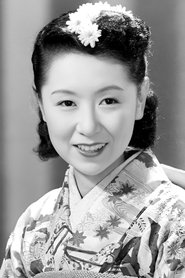
Kinuyo Tanaka
Osayo
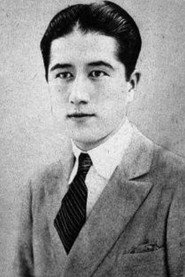
Hikaru Yamanouchi
Ryoichi Uchida
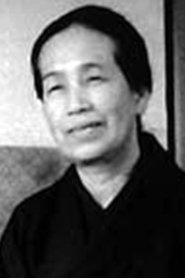
Fumiko Katsuragi
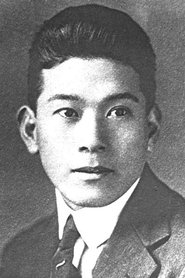
Kenichi Miyajima
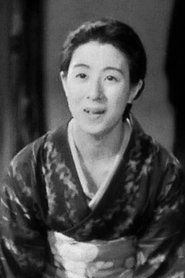
Yoshiko Tsubouchi
Machiko Kaga, model
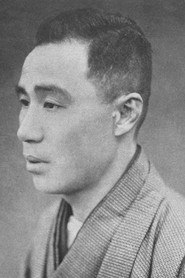
Shoichi Nodera
Yokichi Momijiya, Osayo's uncle
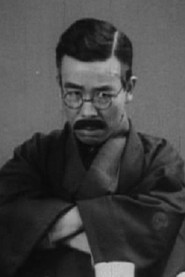
Reikichi Kawamura
Seijiro

Sanae Takasugi
Komayakko, geisha (Okinu)
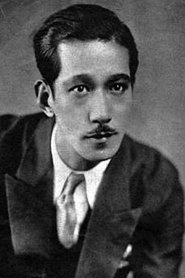
Tatsuo Saitō
Yamamoto

Tokuji Kobayashi
Sumida
Frequently Asked Questions
What is Osayo Koi Sugata (1934) about?
This early Japanese drama follows Yamamoto, a struggling novelist writing against the odds, and Saya, his loyal model who secretly pines for a chauffeur. When jealousy threatens their fragile world, Yamamoto's determination helps untangle the web of emotions, allowing Saya to find happiness with the man she truly loves.
Who directed Osayo Koi Sugata?
The film was directed by Yasujirō Shimazu, a pioneer of Japanese cinema known for his sensitive portrayals of human relationships in the 1930s.
Who stars in Osayo Koi Sugata?
The film stars Kinuyo Tanaka as Saya, alongside Hikaru Yamanouchi, Fumiko Katsuragi, Kenichi Miyajima, and Yoshiko Tsubouchi in key roles.
Is Osayo Koi Sugata (1934) worth watching?
While *Osayo Koi Sugata* isn't rated on IMDb, its historical significance as a 1934 Japanese drama and Shimazu's nuanced storytelling make it a compelling watch for fans of early cinema and melodramatic themes of love and sacrifice.
How long is Osayo Koi Sugata?
The film runs for 95 minutes.
About Osayo Koi Sugata (1934) — A 1934 Drama of Love, Sacrifice, and Literary Ambition
In Yasujirō Shimazu's 1934 drama *Osayo Koi Sugata*, a struggling novelist Yamamoto pours his heart and headband into crafting a novel while relying on the quiet support of Saya, his devoted model. Their bond deepens as Yamamoto navigates financial woes and creative pressure, unaware of Saya's secret affection for a young chauffeur. The story unfolds against a backdrop of emotional tension, blending personal sacrifice with the pursuit of artistic integrity.
When Saya's happiness is threatened by a jealous admirer, Yamamoto steps in to unravel the deception, paving the way for her to reunite with the man she loves. Shimazu's delicate direction captures the nuances of early 20th-century relationships, where duty and desire collide in a world of economic hardship and unspoken longing.